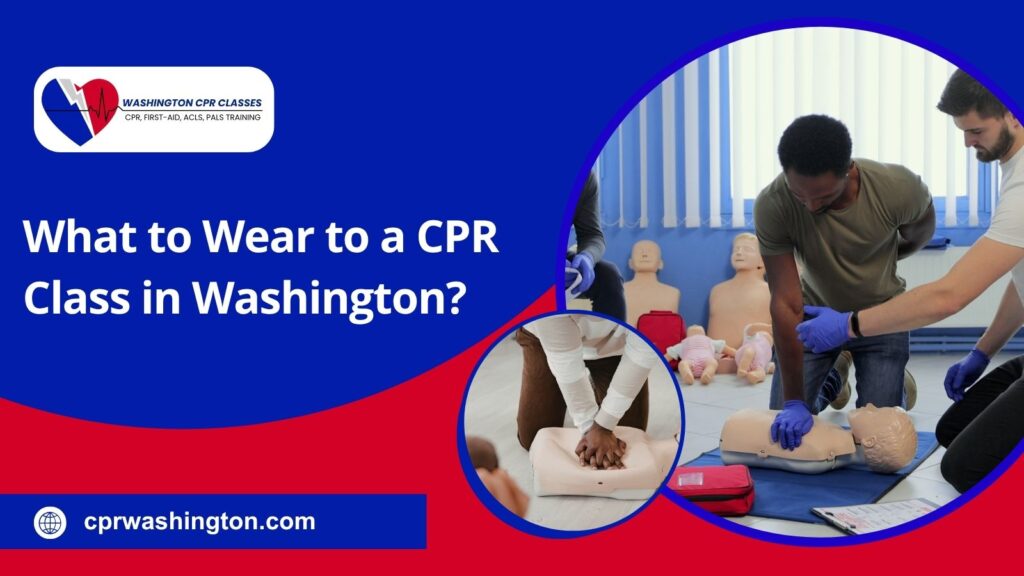
Attending a CPR class is an important step toward learning lifesaving skills that can help you respond confidently during cardiac, breathing, and choking emergencies. Whether you’re enrolling in a CPR, BLS, ACLS, or PALS course, dressing appropriately can make your training experience more comfortable and allow you to participate fully in the hands-on skills practice.
Unlike a traditional classroom lecture, CPR training requires you to kneel on the floor, perform chest compressions, practice rescue breaths, and use an automated external defibrillator (AED) trainer. Wearing comfortable clothing and supportive footwear helps you move freely throughout the class.
This guide explains what to wear to a CPR class in Washington, whether there is a dress code, what items to bring, and how to prepare for a successful training session.
Is there a Dress Code for CPR Training?
Most CPR training providers in Washington do not have a strict dress code. Whether you’re taking an American Heart Association (AHA) CPR, BLS, ACLS, or PALS certification course, there is generally no requirement to wear a uniform or specific type of clothing.
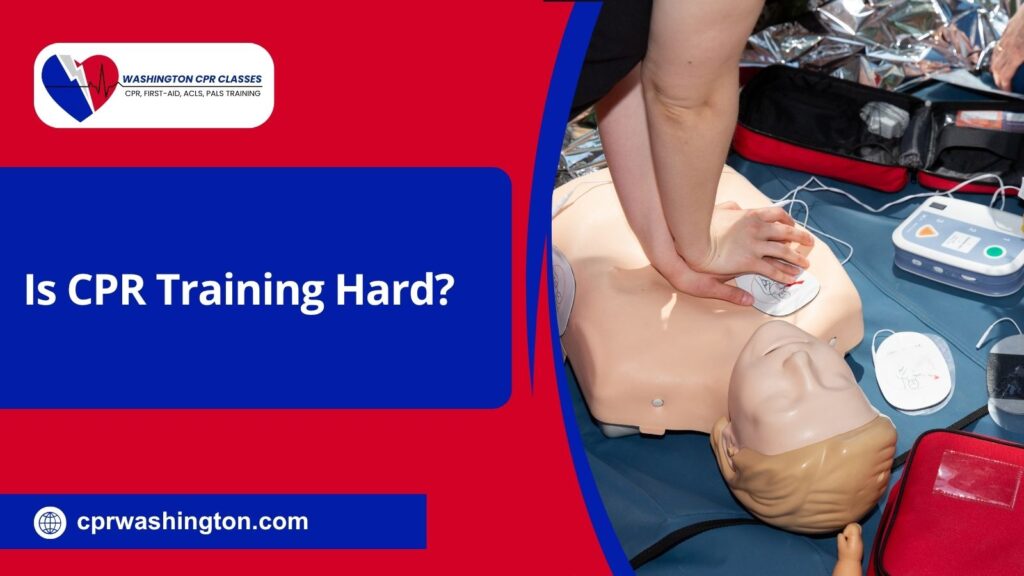
Instead, the focus is on wearing attire that allows you to perform practical skills comfortably. During the class, you’ll spend time practicing CPR techniques on adult, child, and infant manikins, which involves frequent bending, kneeling, and upper-body movement. Clothing that restricts these movements can make the training more difficult.
If you’re attending a CPR course as part of your job, your employer may recommend wearing your normal work attire, such as scrubs, but for most participants, comfortable casual clothing is perfectly acceptable.
Why Your Clothing Matters During CPR Training
CPR certification courses are designed to be interactive rather than lecture-based. While you’ll learn the science behind cardiopulmonary resuscitation, much of the class focuses on developing practical skills through repeated hands-on practice.
During the course, you may be required to:
- Perform high-quality chest compressions
- Practice rescue breathing techniques
- Use an AED training device
- Work with adult, child, and infant CPR manikins
- Participate in team-based emergency response scenarios (BLS, ACLS, and PALS)
These activities require flexibility and unrestricted movement. Wearing comfortable clothing allows you to focus on learning proper CPR techniques instead of adjusting uncomfortable clothing or footwear.
What is Recommended to Wear During CPR
Wearing comfortable, practical clothing can make your CPR training more effective and enjoyable. Since CPR classes involve hands-on practice with chest compressions, rescue breaths, and AED training, you’ll spend a significant amount of time bending, kneeling, and moving around the classroom. Clothing that allows a full range of motion helps you focus on learning lifesaving skills instead of adjusting uncomfortable attire.
Below are the recommended clothing items to wear during CPR:
Comfortable, Flexible Clothing
Choose clothing that allows you to move freely during practical exercises. T-shirts, polo shirts, athletic tops, sweatshirts, joggers, leggings, or comfortable jeans are all suitable options. Avoid clothing that is overly tight or restrictive around the shoulders, waist, or knees, as it may make performing CPR techniques more difficult.
Closed-Toe Shoes
Supportive, closed-toe shoes are highly recommended for CPR classes. Sneakers, running shoes, or walking shoes provide better stability and comfort while kneeling and moving between training stations. They also offer more protection than sandals or flip-flops during hands-on activities.
Dress in Layers
Washington’s weather can vary depending on the season, and classroom temperatures may differ from outdoor conditions. Wearing layers, such as a lightweight jacket, hoodie, or sweater over a T-shirt, allows you to adjust your clothing and stay comfortable throughout the course.
Wear Comfortable Pants
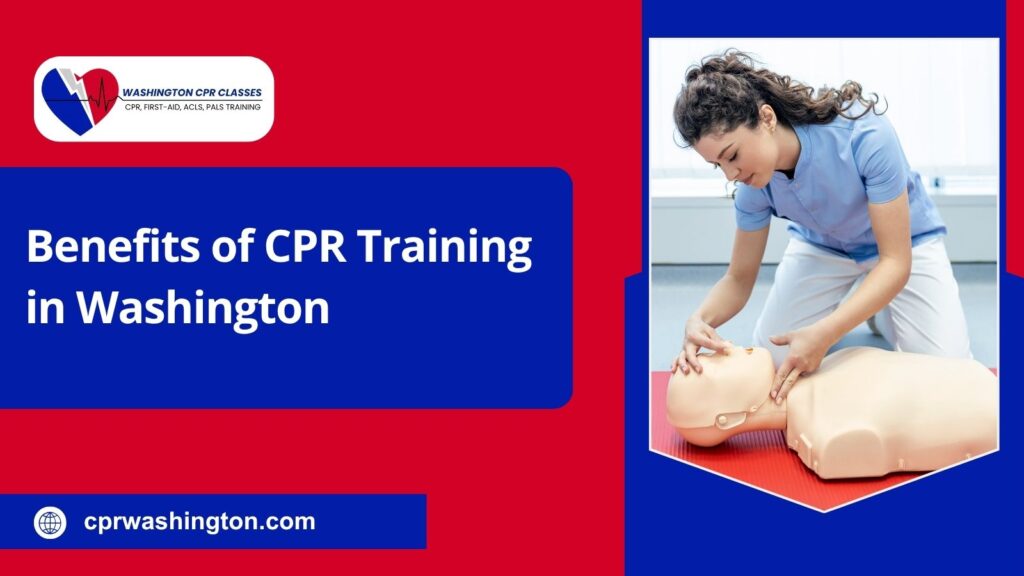
You’ll likely spend several minutes kneeling beside adult, child, and infant CPR manikins while practicing chest compressions and other skills. Pants made from flexible materials, such as athletic pants, stretch jeans, or joggers, are ideal because they make kneeling and moving much easier.
What is Recommended to Avoid During CPR
Although CPR classes do not have a strict dress code, avoiding certain types of clothing and accessories can make your training more comfortable and help you perform hands-on skills correctly.
Here are some of the clothing items that are recommended to avoid:
Avoid Open-Toe Shoes
Flip-flops, sandals, and other open-toe shoes are not recommended for CPR training. They provide less support and stability while kneeling or moving around the classroom. Instead, wear supportive, closed-toe shoes such as sneakers or athletic shoes.
Avoid Tight or Restrictive Clothing
Tight dresses, skirts, fitted suits, or clothing that limits movement can make it difficult to bend, kneel, and perform effective chest compressions. Choose clothing that allows you to move comfortably throughout the hands-on training session.
Avoid Bulky Outerwear
Heavy jackets, thick sweaters, or bulky coats can become uncomfortable during practical exercises and restrict your upper-body movement. If you’re attending a CPR class during colder weather, wear layers that you can easily remove once you’re inside the classroom.
Avoid Large Jewelry and Accessories
Oversized necklaces, long earrings, bulky bracelets, and large rings can interfere with CPR practice or become distracting during skills testing. Keeping accessories simple helps you focus on learning proper CPR techniques.
Avoid Delicate or Formal Clothing
Because you’ll spend time kneeling on the floor and practicing on adult, child, and infant CPR manikins, avoid wearing clothing that wrinkles easily or could be damaged during hands-on activities. Comfortable, durable attire is a better choice for an active training environment.
What Else Should You Bring to a CPR Class?
Besides wearing comfortable clothing, bringing a few essentials can help you have a better CPR training experience. Most training centers provide CPR manikins and AED equipment, so you only need a few personal items.
Consider bringing:
- Photo ID: Some CPR providers require identification for check-in or certification verification.
- Water bottle: CPR practice can be physically demanding, so staying hydrated is helpful.
- Notebook and pen: Useful for writing down important tips and emergency response steps.
- Registration confirmation: Bring your course details or confirmation email if required.
- Personal items: Carry any necessary medications, glasses, or other items you may need.
Arriving a few minutes early and being ready to participate will help you get the most from your CPR class.
Washington Weather Considerations
Washington’s weather can vary throughout the year, so choosing the right clothing for your CPR class can help you stay comfortable before and during training. Since most CPR classes take place indoors, dressing in layers is a practical choice that allows you to adjust to changing temperatures.
Spring and Fall
Spring and fall in Washington can bring cool temperatures and rain. A lightweight jacket, hoodie, or sweater paired with comfortable pants and closed-toe shoes can help you stay prepared while traveling to class.
Summer
During warmer months, choose breathable clothing such as a T-shirt, athletic top, and lightweight pants. Comfortable sneakers and moisture-wicking fabrics can help you stay cool during hands-on CPR practice.
Winter
Winter weather in Washington can be cold and wet, especially in western areas. Wear warm outer layers for your commute, but choose comfortable clothing underneath that you can move easily in during training.
Be Prepared for Your Washington CPR Class
Knowing what to wear to a CPR class in Washington helps you arrive comfortable, confident, and ready to participate in hands-on training. Choosing flexible clothing, supportive closed-toe shoes, and weather-appropriate layers allows you to move freely while practicing chest compressions, rescue breaths, AED use, and other essential CPR skills. By avoiding restrictive clothing and bringing a few necessary items, you can focus your attention on learning life-saving techniques and successfully completing your CPR certification course.
At CPR Washington, we make CPR training simple, comfortable, and effective for every student. With more than two decades of experience and hundreds of thousands of students already certified, our instructors provide quality CPR, BLS, ACLS, and PALS training designed to help you build confidence in emergency response skills. Whether you need certification for healthcare, work requirements, or personal preparedness, you can receive hands-on training in a supportive learning environment with a trusted Washington CPR provider.