If you need BLS, ACLS, or PALS certification in Liberty Lake, our AHA-approved courses provide a path to completion with online study and practical skills evaluation. This modern training format helps you get certified faster while maintaining national standards.
5/5 from 300+ reviews, Trusted by Washington healthcare teams
23403 E Mission Ave Liberty Lake, WA 99019
Conveniently located in Liberty Lake, we offer AHA-certified CPR, First Aid, BLS, ACLS, and PALS courses.
BLS
ACLS
PALS
Monday - Thursday: 8 am - 7 pm
Friday: 8 am - 5 pm
Saturday: 9 am - 4 pm
Sunday: 9 am - 1 pm
Our Liberty Lake training site is located at 23403 E Mission Ave, Liberty Lake, WA 99019, in a convenient commercial area near the heart of Liberty Lake. The location serves healthcare professionals, students, employers, and community members across Liberty Lake, Spokane Valley, Spokane, Post Falls, and surrounding Eastern Washington communities. With direct access from Interstate 90 and nearby local roads, the facility is easy to reach from across the region.
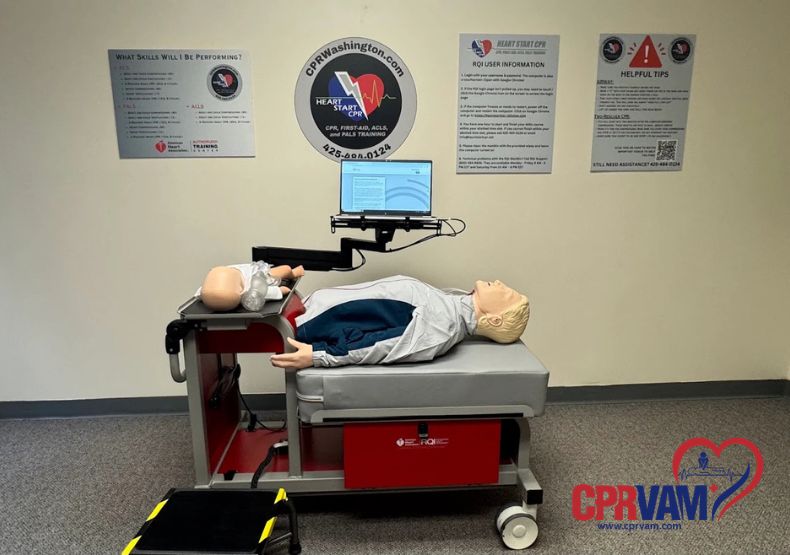
Take the Liberty Lake exit and head north toward E Mission Ave. Continue along local roads until you reach 23403 E Mission Ave.
Travel east on I-90 toward Liberty Lake. Take the Liberty Lake exit and follow signs toward E Mission Ave and the training location.
Head east on I-90 toward Liberty Lake. Exit at Liberty Lake and continue north toward E Mission Ave.
Travel west on I-90 toward Washington. Take the Liberty Lake exit and continue toward E Mission Ave until you reach the training site.
Students can identify the location by looking for:
On-site and nearby parking is available for students and visitors attending scheduled sessions. Participants may use designated visitor parking or available spaces near the facility during their skills evaluation.










Basic Life Support
Flexible & self-paced;
Hands-on practice
Truster Certification
This BLS Certification course in Liberty Lake is built to develop essential emergency response skills for handling life-threatening situations in both healthcare and community settings. Participants learn to recognize cardiac arrest and respiratory emergencies, perform high-quality CPR for adults, children, and infants, operate an AED, and respond to choking incidents. The training is highly practical and focuses on skill development through guided practice, helping learners build confidence to act quickly when emergencies occur. It is suitable for healthcare professionals, students, and anyone seeking foundational life-saving training.
Designed for experienced healthcare providers, the ACLS Certification course in Liberty Lake focuses on managing advanced cardiac and respiratory emergencies in high-pressure clinical environments. The course covers ECG interpretation, airway management techniques, emergency pharmacology, and structured ACLS algorithms used in resuscitation scenarios. It also emphasizes leadership, teamwork, and effective communication during critical events. This training is ideal for professionals working in hospitals, emergency departments, and intensive care units where rapid and accurate decision-making is essential.
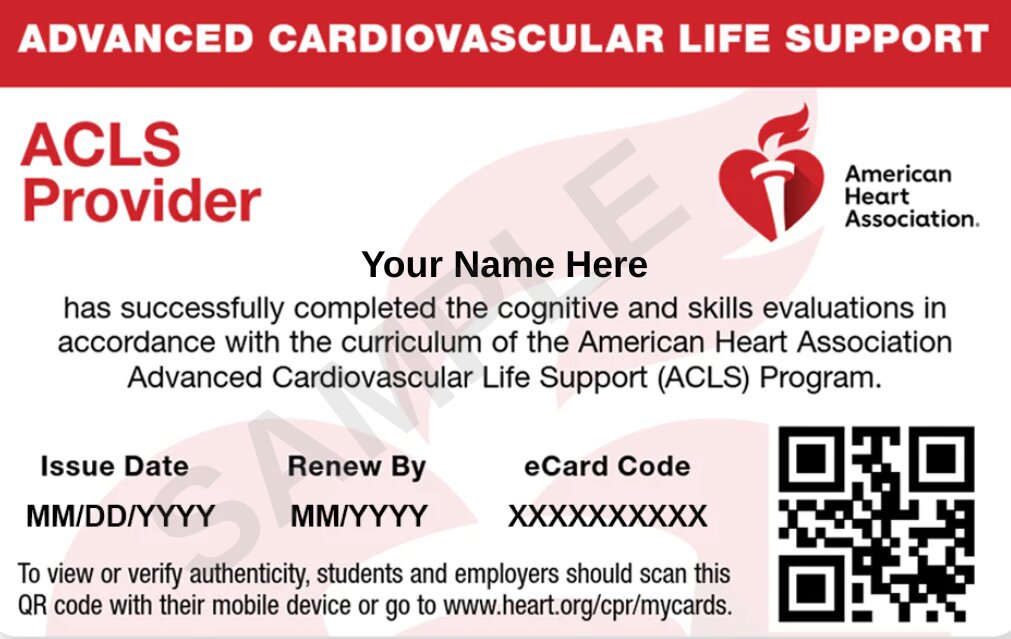
Advanced Cardiovascular Life Support
Flexible & self-paced;
Hands-on practice
Truster Certification
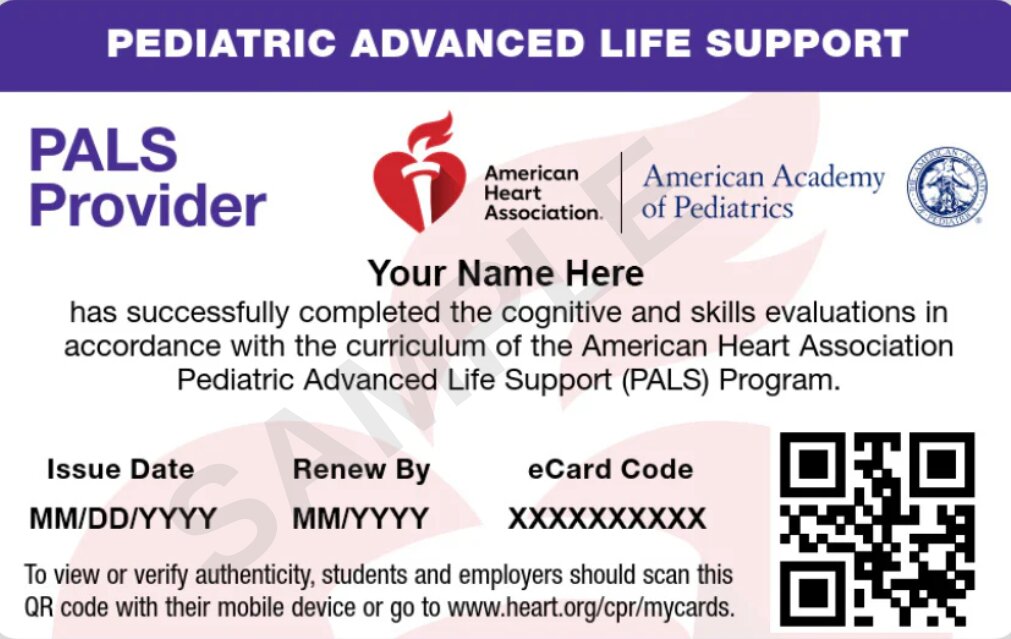
Pediatric Advanced Life Support
Flexible & self-paced;
Hands-on practice
Truster Certification
Focusing on pediatric emergency care, the PALS Certification course in Liberty Lake prepares healthcare providers to respond to life-threatening conditions in infants and children. The training teaches participants how to identify early signs of deterioration such as respiratory distress, shock, and cardiac instability, and apply appropriate age-specific interventions. It also includes pediatric airway management, stabilization techniques, and coordinated team response strategies. This course is intended for clinicians working in pediatric units, urgent care centers, emergency departments, and other settings where children require emergency medical care.
This course is designed for healthcare professionals who are responsible for direct patient care and must maintain CPR and life support certification for employment or licensing. It is relevant for nurses, physicians, physician assistants, nurse practitioners, respiratory therapists, medical assistants, pharmacists, dental professionals, and other allied healthcare staff working in hospitals, clinics, emergency departments, surgical units, and urgent care settings. The training strengthens readiness to respond to cardiac, respiratory, and other critical medical emergencies and supports safe, effective performance in fast-paced clinical environments where rapid decision-making is essential for patient outcomes and safety.
This course is ideal for emergency response professionals who provide urgent care in pre-hospital and field environments where immediate action is required. It applies to EMTs, paramedics, firefighters, rescue personnel, ambulance crews, and other first responders who routinely manage high-risk medical situations. The training reinforces essential skills such as patient assessment, airway management, CPR, and coordinated team response during cardiac arrest, trauma incidents, respiratory emergencies, and pediatric cases. It helps ensure consistent, protocol-based care in both transport and on-scene emergency situations where timing and accuracy are critical.
Students entering healthcare professions often require certification before beginning clinical rotations, internships, or supervised patient care experiences. This course is suitable for nursing students, medical students, dental students, paramedic trainees, respiratory therapy students, and other allied health learners preparing for clinical practice. It provides foundational knowledge and hands-on skill development that bridges classroom learning with real-world patient care expectations. The training helps students build confidence, meet program requirements, and prepare for emergency situations they may encounter in clinical and academic healthcare settings.
Many employers incorporate CPR and life support training into workplace safety and emergency preparedness programs. This course is suitable for employees and supervisors across industries such as education, childcare, corporate offices, fitness centers, retail, hospitality, warehouses, and manufacturing facilities. Participants include managers, safety officers, and general staff who may need to respond to medical emergencies in the workplace. The training improves organizational readiness by teaching practical skills for recognizing emergencies, initiating immediate care, and supporting individuals until professional responders arrive, helping create safer environments for employees and customers.
This course is also valuable for individuals outside healthcare or professional emergency roles who want to be prepared for unexpected medical situations. It is well suited for parents, grandparents, babysitters, teachers, coaches, volunteers, and community members who may be responsible for the safety of children, family members, or others in everyday environments. The training focuses on clear, practical actions for responding to emergencies such as cardiac arrest, choking, or breathing difficulties. It builds confidence in providing immediate assistance until emergency medical services arrive and can help improve outcomes in critical situations.
Complete the coursework online at your own pace using any device. This allows you to study when it’s convenient, whether between shifts, classes, or personal commitments, without fixed classroom hours.
The Liberty Lake training location provides an easy option for learners across Spokane Valley, Spokane, and surrounding areas. With a central Eastside location, participants can complete their skills session without long travel times.
All training follows current American Heart Association guidelines, ensuring your certification is widely recognized by hospitals, clinics, and healthcare employers across the country.
The blended format reduces time spent in traditional classroom settings while still ensuring complete understanding and competency. Most participants complete the process faster than standard in-person courses.


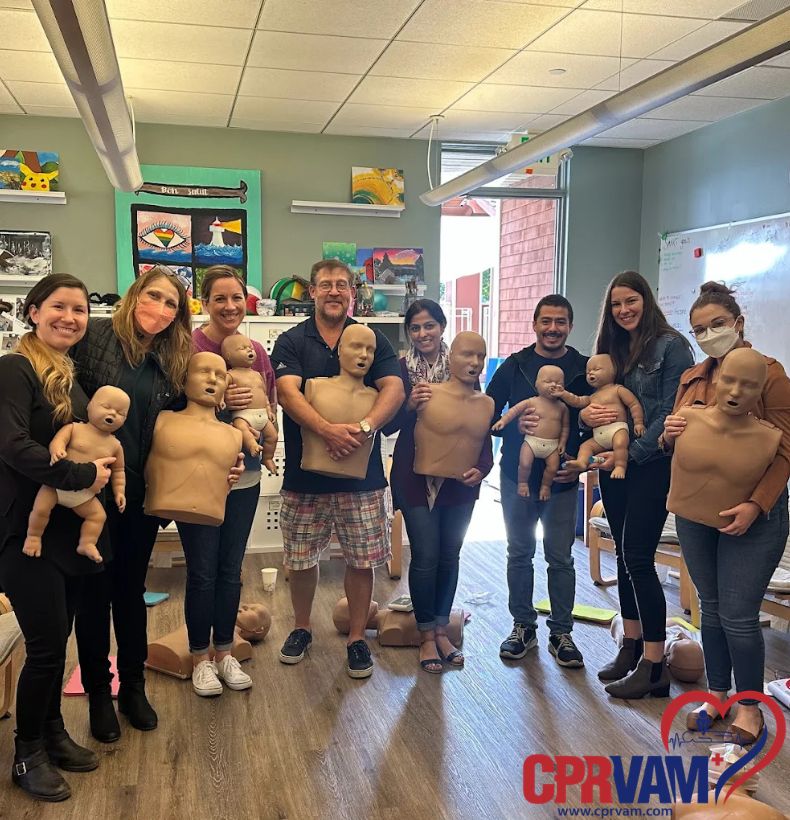
We offer on-site group training in Liberty Lake for organizations that need efficient certification for multiple staff members at once. Our American Heart Association–aligned ACLS, BLS, and PALS training is delivered directly at your workplace, helping reduce travel time and minimize disruption to operations. This option is ideal for hospitals, schools, clinics, fitness centers, and corporate teams, and focuses on building consistent, hands-on emergency response skills across all participants. Flexible scheduling options, including weekdays and weekends, make it easy to fit training into your organization’s workflow.
Healthcare Organizations
Corporate Offices
Schools
Churches & Non-Profits
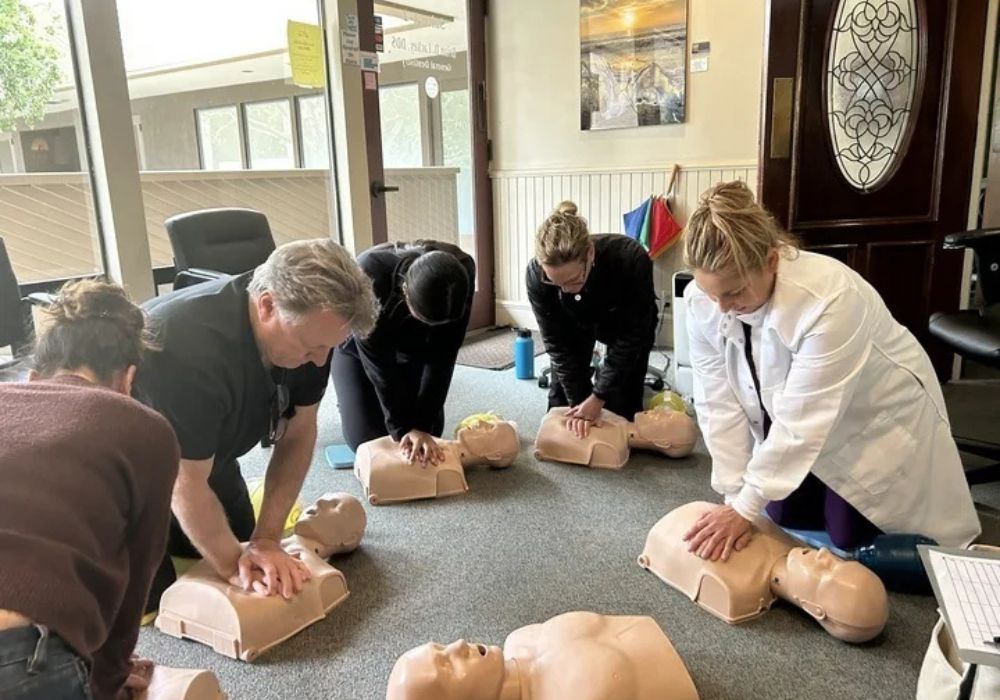
Complete your AHA certification in Liberty Lake with a simple blended format, online learning followed by a quick in-person skills session. Train at your own pace, demonstrate your CPR skills, and earn your BLS, ACLS, or PALS certification.
Enroll today and get started with convenient, fast certification in Liberty Lake.
Residents and professionals in Liberty Lake can access CPR VAM’s established approach to CPR and life-support education through CPR Washington. CPR VAM is an American Heart Association (AHA) authorized training provider with decades of real-world emergency medical experience and a nationwide record of training hundreds of thousands of students. Its CPR, BLS, ACLS, and PALS programs are structured to make certification accessible while maintaining an important hands-on skills component.
For Liberty Lake healthcare workers, students, workplace teams, and other learners, CPR Washington training in Liberty Lake creates a convenient way to pursue recognized certification backed by extensive training experience. Our emphasis on practical skills and AHA-compliant curriculum helps participants prepare not only for certification but also for the responsibilities that come with responding to an emergency.
No. Training in Liberty Lake follows a blended format with self-paced online learning and a separate in-person skills session. This approach reduces time in traditional classrooms while still meeting American Heart Association requirements.
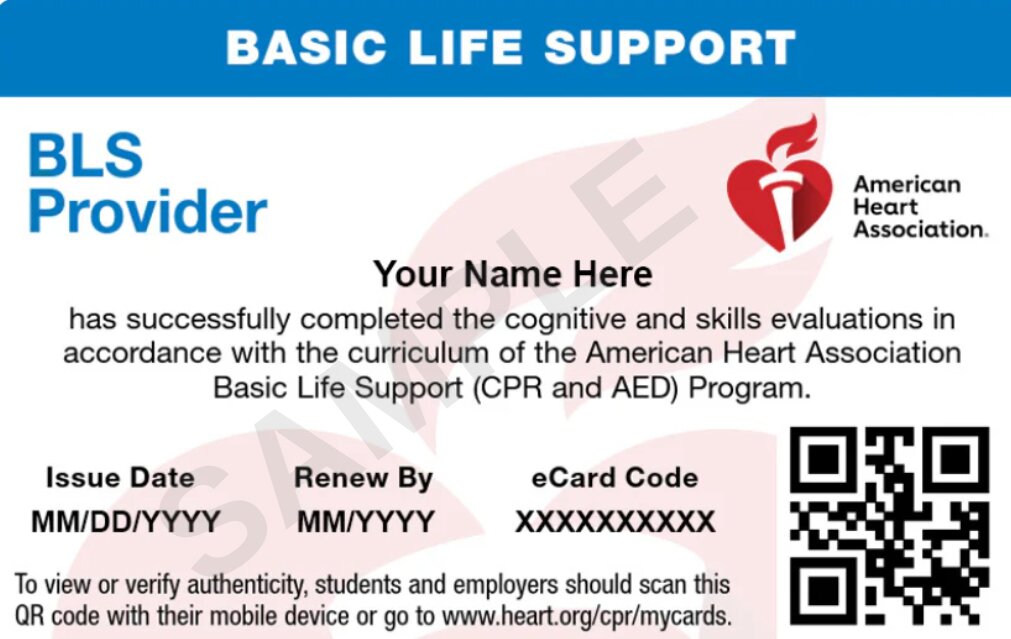
After successfully finishing both the online coursework and the hands-on skills evaluation, your American Heart Association eCard is typically issued shortly afterward so you can access proof of certification quickly.
No prior experience is required for BLS, which is suitable for beginners, students, and community members. ACLS and PALS are intended for healthcare professionals and usually require a basic understanding of patient care, along with current BLS certification.
Yes. Many participants combine certifications such as BLS with ACLS or PALS in a single schedule, depending on availability. This is a convenient option for healthcare providers who need multiple credentials efficiently.
If a portion of the skills assessment is not passed, participants are given additional opportunities to demonstrate competency until they pass. The focus is on ensuring every learner meets required life-saving standards before certification is issued.
