Whether you are a nurse, EMT, physician, student, or clinical staff member, our ACLS, BLS, and PALS courses provide essential life-saving training. Learn through a blended format that focuses on real-world emergency response skills and receive your certification upon completion.
5/5 from 300+ reviews, Trusted by Washington healthcare teams
20006 Cedar Valley Rd. Lynnwood, WA 98036
Conveniently located in Lynnwood, we offer AHA-certified CPR, First Aid, BLS, ACLS, and PALS courses.
BLS
ACLS
PALS
Monday - Thursday: 8 am - 7 pm
Friday: 8 am - 5 pm
Saturday: 9 am - 4 pm
Sunday: 9 am - 1 pm
Our Lynnwood training site is located at 20006 Cedar Valley Rd, Lynnwood, WA 98036, in a convenient commercial and residential corridor with easy access from major highways and surrounding neighborhoods. The location serves healthcare professionals, students, employers, and community members throughout Lynnwood, Edmonds, Mountlake Terrace, Bothell, Everett, and surrounding Snohomish County areas. With close proximity to Interstate 5 and State Route 99, the facility provides an accessible training location for participants across the region.
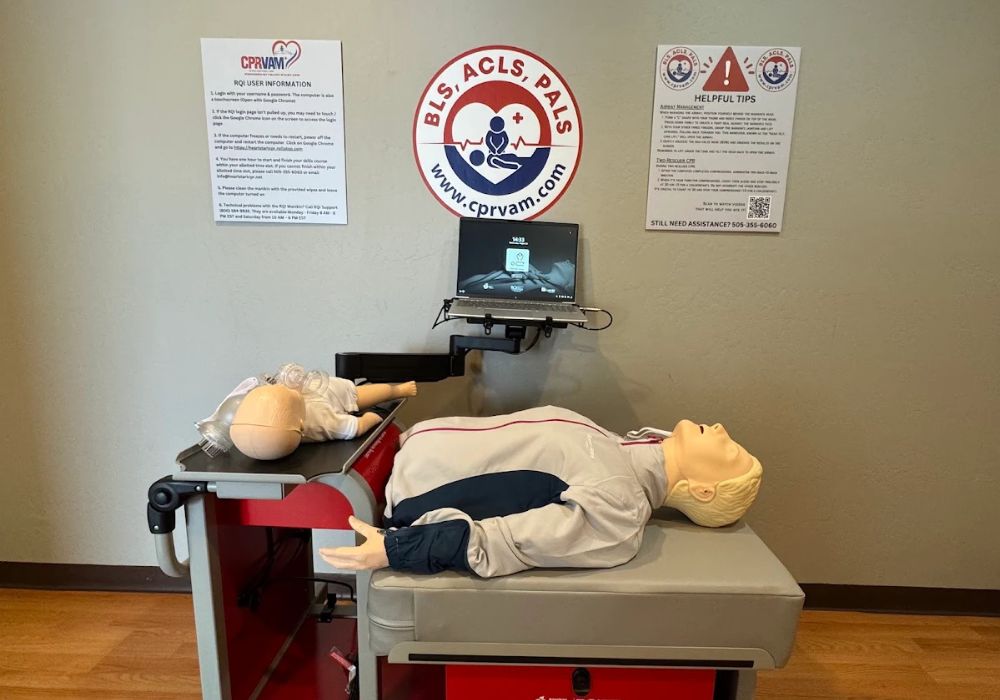
Take the appropriate Lynnwood exit and follow signs toward Cedar Valley Rd. Continue along local roads until you reach 20006 Cedar Valley Rd, located within the Lynnwood commercial area.
Travel toward Cedar Valley Rd using local arterial roads. Continue north or south as directed until you reach the training site at the listed address.
Head toward Lynnwood via local roads or Interstate 5. Connect to Cedar Valley Rd and follow signs to the training location.
Travel south via Interstate 5 or nearby connecting roads toward Lynnwood. Continue to Cedar Valley Rd and proceed to the training site.
Participants can identify the location by looking for:
Parking is available near the training site for scheduled participants. Visitors may use designated parking spaces or available on-site parking during their skills appointment.












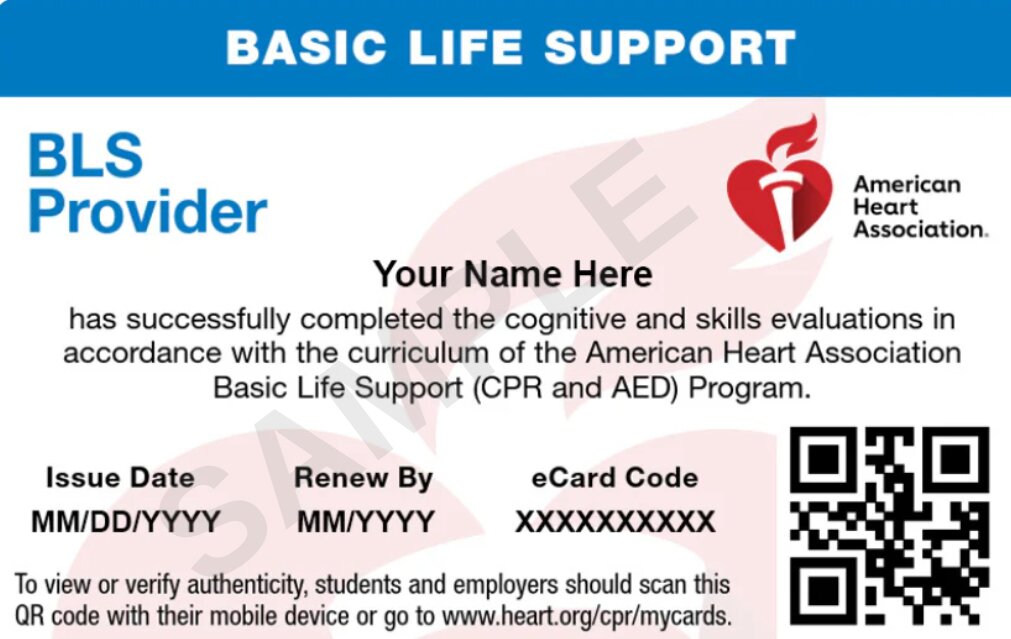
Basic Life Support
Flexible & self-paced;
Hands-on practice
Truster Certification
This course provides foundational life-saving training for individuals who may need to respond to medical emergencies in healthcare or workplace settings. Participants learn how to perform high-quality CPR on adults, children, and infants, operate an AED, and manage basic airway emergencies such as choking or respiratory distress. The training also includes coordinated team response techniques used in real clinical and community scenarios. It is appropriate for healthcare students, entry-level clinical staff, caregivers, and workplace safety personnel. The focus is on rapid recognition of emergencies and immediate, effective action until advanced medical care is available.
Designed for experienced healthcare providers, this course focuses on managing complex cardiovascular emergencies in critical care environments. Key areas include ECG rhythm interpretation, advanced airway techniques, pharmacological interventions, and structured resuscitation algorithms used in emergency medicine. The training also develops leadership skills, clear communication, and effective coordination within a medical team during high-pressure situations. It is intended for professionals such as physicians, nurses, and paramedics working in hospitals, emergency departments, and intensive care units. The goal is to strengthen clinical judgment and improve response efficiency in life-threatening cardiac events.
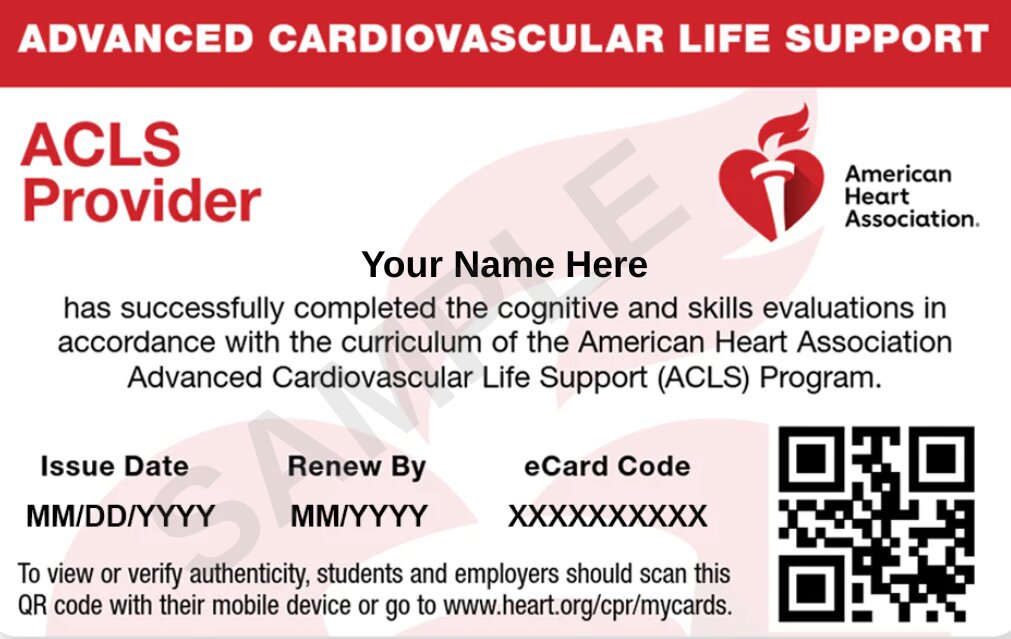
Advanced Cardiovascular Life Support
Flexible & self-paced;
Hands-on practice
Truster Certification
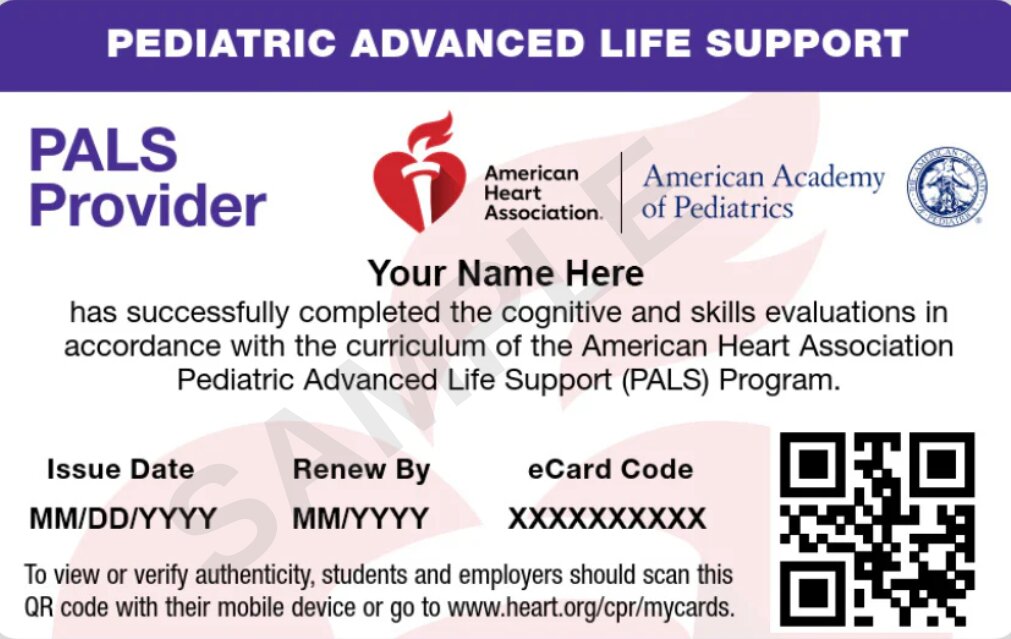
Pediatric Advanced Life Support
Flexible & self-paced;
Hands-on practice
Truster Certification
This program is centered on pediatric emergency care, focusing on infants and children experiencing serious or life-threatening conditions. Participants are trained to identify early warning signs such as respiratory distress, shock, and cardiac instability, and apply structured assessment and intervention steps. The course emphasizes age-specific treatment approaches, rapid decision-making, and effective communication during emergencies. Team coordination and situational awareness are also key components of the training. It is designed for healthcare professionals working in pediatric units, emergency departments, urgent care centers, and other clinical environments where timely pediatric intervention is critical.
Our ACLS, BLS, and PALS courses in Lynnwood are designed for healthcare professionals who need certification for employment, licensing, or clinical requirements. The training focuses on practical emergency response skills used in hospitals, clinics, and urgent care environments where fast and accurate decisions are critical.
Includes roles such as:
These courses support providers working in high-pressure settings where teamwork, speed, and clinical accuracy directly impact patient outcomes.
This course is ideal for professionals who respond to emergencies in the field and must act quickly in life-threatening situations. It builds confidence through structured protocols and real-world scenarios.
Common participants include:
Training focuses on CPR, airway management, and coordinated response during cardiac arrest, trauma, and respiratory emergencies.
Students entering healthcare careers often require certification before starting clinical training or internships. These courses help connect classroom knowledge with real patient care skills.
Typically required for:
Learners develop essential life-saving skills and gain confidence before entering a hospital or supervised clinical environments.
These courses are suitable for non-medical professionals who want to be prepared for emergencies in everyday settings such as schools, gyms, and offices.
Includes roles such as:
Participants learn how to respond to choking, cardiac arrest, and breathing emergencies to improve overall safety readiness.
This course is also a great option for parents, guardians, and caregivers who want to be prepared for medical emergencies at home or in the community. It focuses on basic but essential life-saving skills that can be used before emergency services arrive.
Best suited for:
Training builds confidence in handling unexpected emergencies and helps participants provide immediate assistance when every second matters.
| Nearby Medical Location | Who We Serve in Lynnwood, WA |
|---|---|
| Swedish Edmonds Campus | Nurses, physicians, EMTs, paramedics, respiratory therapists, and hospital staff |
| Virginia Mason Franciscan Health Medical Pavilion - Lynnwood | Physicians, nurses, medical assistants, clinical staff, and allied health professionals |
| Edmonds College | Nursing students, healthcare students, EMT students, and other healthcare trainees |
| EvergreenHealth Medical Center - Kirkland | Nurses, physicians, EMTs, paramedics, respiratory therapists, and clinical staff |
| Providence Regional Medical Center Everett | Emergency department staff, nurses, physicians, paramedics, and other healthcare professionals |
Start your course anytime and complete the online portion whenever it fits your schedule. No fixed class hours or long in-person lectures required.
Our certification follows American Heart Association standards, making it widely accepted across hospitals, clinics, dental offices, schools, and healthcare systems throughout the United States.
Most learners complete the process quickly compared to traditional classroom formats, making it ideal for professionals who need certification without long-term commitments.
Combine BLS, ACLS, or PALS training in a structured sequence to save time and complete multiple requirements efficiently.


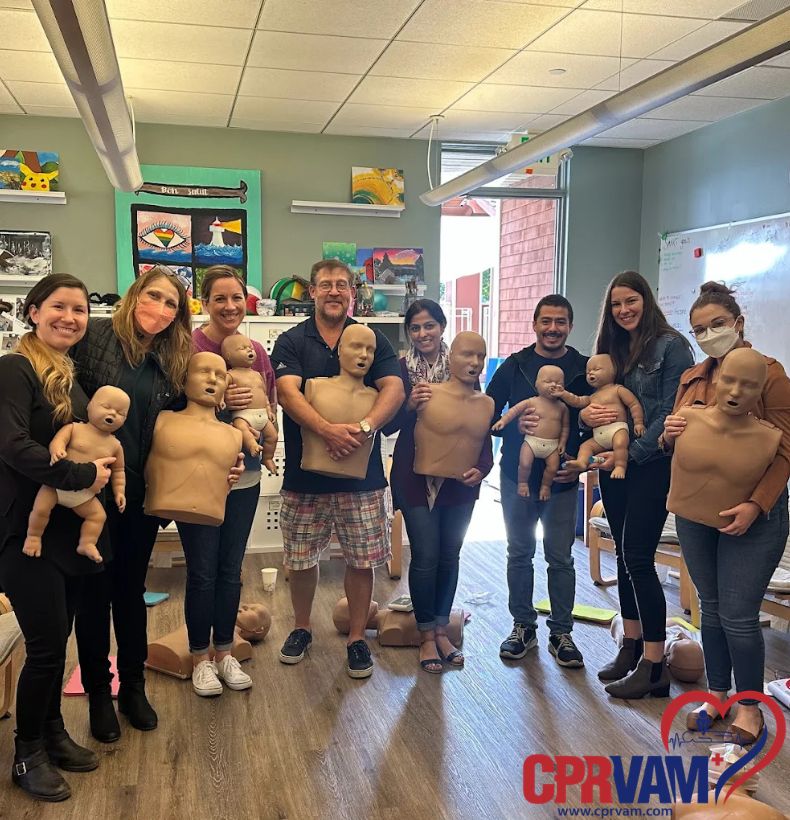
We offer on-site CPR and life support training in Lynnwood for businesses, schools, and healthcare facilities. Sessions are scheduled around your organization’s availability to reduce disruption to daily operations. Training can be arranged for small teams or large groups depending on your needs. This makes it easier for employers to certify multiple staff members at once in a coordinated setting.
Healthcare Organizations
Corporate Offices
Colleges and Universities
Churches & Non-Profits
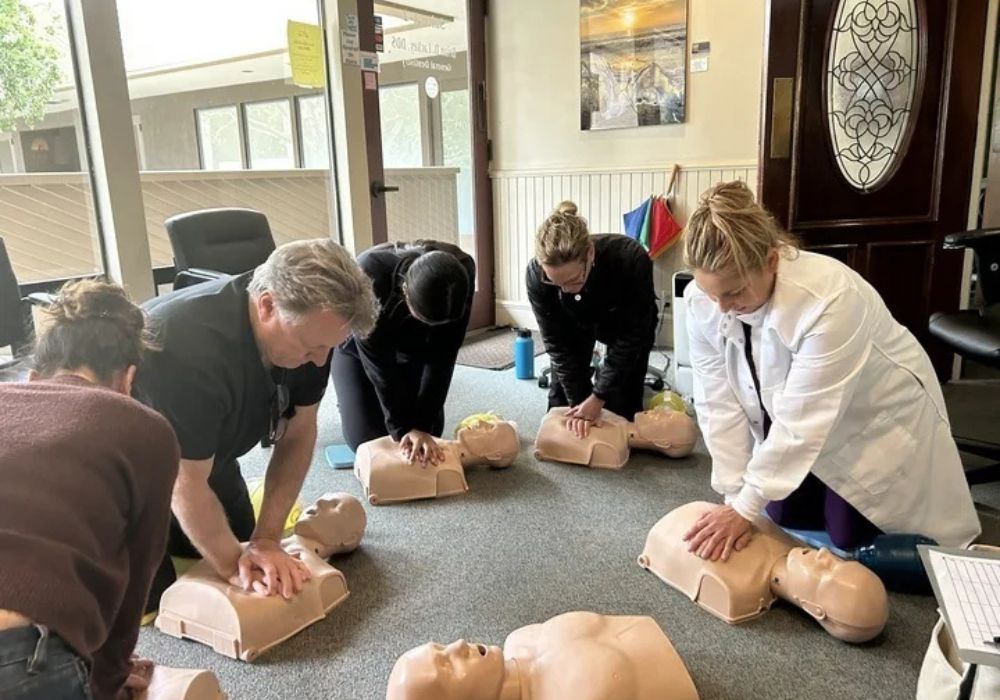
Start and complete your certification journey in Lynnwood with ease. Our blended format allows you to study online when it’s convenient, attend a focused skills session, and receive your AHA certification card promptly after meeting all course requirements.
CPR Washington brings the established training experience of CPR VAM to Lynnwood and the surrounding communities of Snohomish County. CPR VAM is a trusted American Heart Association (AHA) authorized training provider with decades of real-world emergency medical experience and a nationwide history of training hundreds of thousands of students. Through CPR, BLS, ACLS, and PALS programs, learners can access a proven certification model that combines flexible online education with hands-on skills verification.
For healthcare professionals, students, workplace teams, and community members in Lynnwood, this means access to modern certification backed by an experienced training organization. With an AHA-compliant curriculum and a practical emphasis on emergency response skills, professional CPR training helps local learners build the knowledge and confidence needed to respond effectively when those skills matter most.
Yes. The online coursework must be completed before attending your in-person skills session in Lynnwood. This ensures you are prepared to demonstrate CPR and life support skills effectively during the hands-on evaluation.
Yes. Skills sessions are offered at different time slots to accommodate work schedules, school commitments, and clinical shifts. Early booking is recommended to secure your preferred time.
The skills session is straightforward if you complete the online training first. Instructors guide you step by step, and the focus is on demonstrating proper technique rather than memorization.
Yes. BLS, ACLS, and PALS certifications are commonly required for healthcare jobs, clinical rotations, and hospital credentialing. Always confirm specific requirements with your employer or program.
