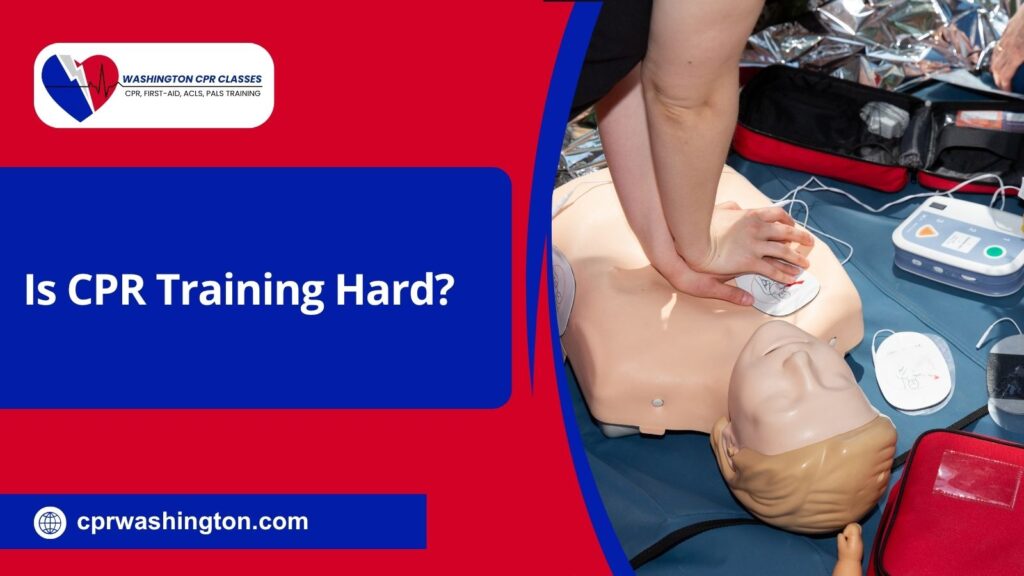
Many people considering a CPR course wonder, “Is CPR training hard?” The short answer is: CPR training is not difficult for most people to learn. It is designed to teach essential life-saving skills in a simple, practical way that beginners can understand and apply.
Cardiopulmonary Resuscitation (CPR) training focuses on learning how to respond during a cardiac emergency, perform chest compressions, use an automated external defibrillator (AED), and provide assistance until professional medical help arrives. While CPR requires practice and attention to detail, most participants complete their training with confidence after guided instruction and hands-on practice.
In this guide, you’ll learn whether CPR training is hard, why many people find it easier than expected, what you’ll learn during a CPR course, how the written and skills tests work, and practical tips to help you succeed with confidence.
Why Do People Think CPR Training Is Hard?
Many people feel nervous before attending their first CPR class because they are unfamiliar with what the course involves. While it’s natural to feel anxious, most concerns disappear once students begin practicing the skills.
Here are some of the reasons that people think CPR training is hard:
Fear of Making Mistakes
One of the biggest concerns is the fear of doing something wrong during a real emergency. Many people worry they won’t remember the correct CPR steps or that they’ll accidentally harm the victim.
CPR courses are designed to eliminate this fear by providing repeated demonstrations and hands-on practice. Instructors explain each step clearly and allow students to practice until they feel comfortable performing CPR correctly.
Concerns About Physical Strength
High-quality chest compressions require pushing hard and fast on the center of the chest. Some students worry they won’t be strong enough.
In reality, instructors or Voice-Assisted Manikins (VAM) teach proper body positioning and technique, allowing most adults to perform effective chest compressions using their body weight rather than arm strength alone.
Worry About the Certification Test
Many first-time students become anxious simply because they know there will be an assessment.
Fortunately, CPR certification exams are not designed to trick students. Instead, they verify that you understand the essential skills needed to respond during an emergency.
Fear of Medical Terminology
Some people assume CPR courses contain complicated medical information.
However, basic CPR classes use simple language that anyone can understand. The focus is on recognizing emergencies, calling 911, performing chest compressions, providing rescue breaths when appropriate, and using an Automated External Defibrillator (AED).
What Makes CPR Training Easy?
Although many people worry that CPR training will be difficult, most participants quickly discover that the course is designed to be simple, practical, and beginner-friendly. CPR instructors use step-by-step teaching methods, hands-on practice, and real-life scenarios to help students build confidence throughout the training.
Here are some of the features of CPR training that make it easier:
Beginner-Friendly Course Structure
CPR courses are created for people with little or no medical experience. Instructors explain each concept in clear, easy-to-understand language, ensuring that participants learn one skill at a time rather than feeling overwhelmed by complex information.
Hands-On Practice
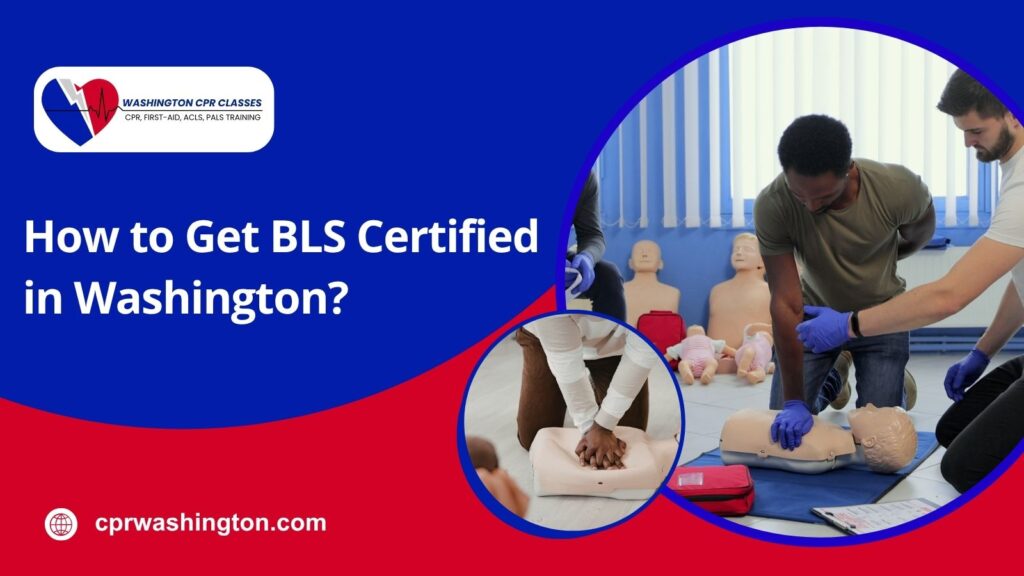
One of the biggest reasons CPR training feels manageable is the opportunity to practice on CPR manikins. Repeating chest compressions, rescue breathing (when included), and AED operation helps students develop muscle memory and become more comfortable with the techniques.
Step-by-Step Instruction
Rather than expecting students to memorize everything at once, instructors guide participants through the entire emergency response process. You’ll learn how to:
- Assess the scene for safety
- Check if the person is responsive
- Call emergency services
- Perform effective chest compressions
- Use an Automated External Defibrillator (AED) when available
Breaking the process into simple, logical steps makes CPR easier to understand and remember.
Supportive Instructor Feedback
Certified CPR instructors observe your technique during practice and provide immediate feedback to help you improve. This personalized guidance allows you to correct mistakes in a supportive learning environment, making it easier to master the required skills.
Realistic Emergency Scenarios
Many CPR classes include practical scenarios that simulate real-life emergencies. These exercises help students apply what they’ve learned, improve decision-making, and build confidence in responding under pressure.
Easy-to-Follow Guidelines
Modern CPR follows standardized guidelines that are designed to be straightforward and easy to remember. Instead of requiring extensive medical knowledge, the training focuses on essential life-saving actions that anyone can learn with practice.
What Do You Learn During CPR Training?
CPR training equips you with the knowledge and practical skills to respond confidently during medical emergencies. Whether you’re taking a basic CPR course or a combined CPR and first aid class, you’ll learn proven techniques that can help keep someone alive until emergency medical services arrive.
Recognizing a Cardiac Emergency
The first step in CPR training is learning how to identify situations that require immediate action. You’ll learn how to recognize the signs of cardiac arrest, determine whether a person is responsive, and check for normal breathing before beginning CPR.
Performing High-Quality Chest Compressions
Chest compressions are the foundation of CPR. During training, you’ll practice the correct technique, including:
- Proper hand placement
- Correct compression depth
- Recommended compression rate
- Allowing full chest recoil between compressions
- Minimizing interruptions during CPR
Practicing on CPR manikins helps you develop the confidence and muscle memory needed to perform compressions effectively.
Providing Rescue Breaths
Depending on the course you take, you’ll also learn how to deliver rescue breaths safely and effectively. Instructors explain when rescue breathing is appropriate and demonstrate the correct technique for opening the airway and providing breaths.
Using an Automated External Defibrillator (AED)
Most CPR certification courses include training on how to use an Automated External Defibrillator (AED). You’ll learn how to:
- Turn on the AED
- Place the electrode pads correctly
- Follow the device’s voice prompts
- Deliver a shock when advised
- Resume CPR immediately after the shock if instructed
AEDs are designed to be user-friendly, and CPR training helps you become comfortable using one during an emergency.
Responding to Choking Emergencies
Many CPR courses also teach how to recognize and respond to choking in adults, children, and infants. You’ll learn techniques to help clear an obstructed airway and understand when additional emergency care is needed.
Following the Emergency Response Process
In addition to learning CPR techniques, you’ll practice the correct sequence of actions during an emergency. This typically includes:
- Ensure the scene is safe.
- Check if the person is responsive.
- Call emergency services or ask someone else to call.
- Begin CPR if the person is not breathing normally.
- Use an AED as soon as one is available.
- Continue providing care until emergency responders take over.
Practicing Real-Life Scenarios
Hands-on practice is an essential part of CPR training. Many courses include realistic scenarios that allow participants to apply their skills in a controlled environment. These exercises improve confidence, reinforce proper techniques, and prepare you to respond calmly during real emergencies.
How Long Does It Take to Learn CPR?
One reason CPR training is considered manageable is that it does not usually require months of study. Many basic CPR certification courses can be completed within a few hours.
The duration depends on the type of course, such as:
- Basic CPR training for the general public
- CPR and AED certification
- First aid and CPR combination courses
- Advanced healthcare provider CPR training
Most beginners can learn the essential skills during a single training session with proper instruction. Healthcare-focused CPR courses may require additional training because they cover more advanced situations.
Is There a Written CPR Test?
Yes. Most CPR certification courses include a written knowledge assessment. The purpose of the exam is to confirm that students understand the concepts covered during training.
Questions commonly focus on topics such as:
- When to begin CPR
- Compression depth
- Compression rate
- AED operation
- Emergency response steps
- Choking relief procedures
Because these concepts are thoroughly explained during class, most students complete the written assessment without difficulty. The exam measures understanding rather than memorization, and instructors review key information before testing.
Is the Skills Test Difficult?
For many students, the hands-on skills assessment is the most intimidating part of CPR training. However, it is generally not difficult because you’ll have already practiced each skill multiple times during the course. The purpose of the skills test is to confirm that you can perform CPR safely and correctly, not to expect perfection. Instructors want you to leave the class feeling confident and prepared to respond in a real emergency.
Depending on the course you take, your skills evaluation may include:
- Assessing the scene for safety
- Checking if the victim is responsive
- Activating the emergency response system or calling 911
- Performing high-quality chest compressions
- Providing rescue breaths when required
- Using an Automated External Defibrillator (AED)
- Responding to a choking emergency
If you’re enrolled in an advanced course such as BLS, ACLS, or PALS, you’ll also complete additional scenarios relevant to healthcare providers.
Tips to Make CPR Training Easier
Although CPR training is designed for beginners, a little preparation can make the learning experience even smoother. By staying engaged, practicing consistently, and understanding the fundamentals, you can build confidence and master life-saving skills more quickly.
Here are some tips to make CPR training easier:
1. Review Basic CPR Concepts Before Class
Familiarizing yourself with the basics of CPR before attending your course can help you feel more comfortable. Learning simple concepts, such as when CPR is needed, the role of chest compressions, and how an Automated External Defibrillator (AED) works, will make it easier to follow the instructor’s demonstrations.
2. Pay Close Attention During Demonstrations
Certified CPR instructors demonstrate each technique step by step before asking participants to practice. Watch carefully, listen to the instructions, and observe details such as hand placement, body position, and compression rhythm. Paying attention early can help you avoid common mistakes later.
3. Practice Hands-On Skills
CPR is a practical skill that improves with repetition. Take advantage of every opportunity to practice chest compressions, rescue breaths (if included in your course), and AED operation on the training manikin. The more you practice, the more natural the techniques will feel.
4. Ask Questions When You’re Unsure
Don’t hesitate to ask your instructor for clarification if something isn’t clear. Whether you’re unsure about compression depth, rescue breathing, or the CPR sequence, getting immediate feedback helps reinforce proper technique and prevents misunderstandings.
5. Focus on the CPR Sequence
Instead of trying to memorize every detail, concentrate on understanding the overall emergency response process. Knowing the correct sequence—checking the scene, assessing the person, calling emergency services, starting CPR, and using an AED—will help you respond more confidently in real-life situations.
6. Stay Calm During Practice
It’s normal to feel nervous during your first CPR class or skills assessment. Remember that the course is designed to teach beginners, and mistakes are part of the learning process. Staying calm allows you to focus on improving your technique and following the instructor’s guidance.
7. Review Your Course Materials
After class, spend a few minutes reviewing your training manual or notes. Revisiting the key concepts can strengthen your understanding and make it easier to remember the CPR steps when you need them.
8. Refresh Your Skills Regularly
CPR is a skill that becomes stronger with regular practice. Even after earning your certification, reviewing the techniques periodically or taking refresher courses can help you maintain confidence and stay current with recommended CPR guidelines.
Who Usually Finds CPR Training Easy?
One of the biggest misconceptions about CPR training is that it’s only suitable for healthcare professionals. In reality, CPR courses are designed for people from all backgrounds, regardless of their age, profession, or medical experience. Because the training follows a structured, step-by-step approach, most participants find it easy to learn with guided instruction and hands-on practice.
Parents and Caregivers
Parents, grandparents, babysitters, and caregivers often find CPR training especially valuable because it prepares them to respond to emergencies involving children, infants, or elderly family members. Since the skills are directly applicable to their daily lives, many quickly gain confidence during the course.
Teachers and Childcare Professionals
Teachers, daycare staff, coaches, and childcare providers frequently complete CPR training as part of workplace safety requirements. Their experience working with children and following safety procedures often makes the learning process straightforward.
Workplace Employees
Many organizations encourage or require employees to complete CPR certification as part of occupational health and safety programs. Office workers, construction crews, hospitality staff, and manufacturing employees typically find the training easy because it focuses on practical skills rather than complex medical knowledge.
Students and First-Time Learners
High school students, college students, and adults taking CPR training for the first time are often surprised by how accessible the course is. Since instructors begin with the fundamentals and provide hands-on practice, beginners can learn the techniques without prior experience.
Healthcare and Fitness Professionals
Healthcare workers, nursing students, personal trainers, lifeguards, and fitness instructors may already have a basic understanding of human anatomy or emergency response. This background can make it easier for them to learn or refresh CPR techniques, although the course is still designed to accommodate beginners.
Community Volunteers
Volunteers involved in community organizations, sports clubs, religious groups, or public events often complete CPR training to better assist others during emergencies. Their willingness to learn and serve their communities typically contributes to a positive learning experience.
Benefits of Learning CPR
Learning CPR provides valuable skills that can help you respond effectively during a life-threatening emergency. Cardiac emergencies can happen anywhere, including homes, workplaces, schools, and public spaces. Having CPR knowledge allows you to take immediate action while waiting for professional medical help to arrive.
CPR training is not only about learning a technique; it also helps build confidence, improve emergency preparedness, and create safer communities.
Ability to Save a Life
The most important benefit of learning CPR is the ability to provide immediate assistance during cardiac arrest. When someone’s heart stops beating effectively, quick action can help maintain blood flow and oxygen supply until emergency responders arrive.
A person trained in CPR can become the first link in the chain of survival during a critical situation.
Increased Confidence During Emergencies
Many people freeze during emergencies because they are unsure what actions to take. CPR training helps reduce hesitation by teaching clear steps for responding to a medical crisis.
Knowing how to recognize an emergency, perform CPR, and use an AED can give you the confidence to act quickly when someone needs help.
Protect Family, Friends, and Community Members
Emergencies can happen to anyone, including loved ones. Learning CPR gives you the ability to help family members, friends, coworkers, or strangers during unexpected situations.
Having more people trained in CPR creates safer homes, workplaces, and communities.
Improves Workplace Safety
Many organizations encourage employees to learn CPR because trained individuals can provide immediate assistance before emergency medical teams arrive.
CPR certification can be especially valuable for people working in:
- Healthcare settings
- Schools and childcare facilities
- Fitness centers
- Hospitality businesses
- Construction and industrial workplaces
- Offices and public organizations
Develops Valuable Life Skills
CPR is a practical skill that can remain useful throughout your life. Unlike many skills that are only needed in specific situations, CPR knowledge can be applied anywhere an emergency occurs.
Learning CPR also improves awareness of safety, emergency response, and the importance of helping others.
Helps You Stay Prepared for Unexpected Situations
Medical emergencies are unpredictable. A person may experience cardiac arrest at home, while traveling, at work, or in a public place.
CPR training prepares you to recognize warning signs and take appropriate action instead of feeling helpless during an emergency.
Supports Personal and Professional Growth
CPR certification can benefit both personal development and career opportunities. Many employers value individuals who have emergency response skills, especially in roles involving safety, care, or public interaction.
Having CPR training can demonstrate responsibility, preparedness, and a commitment to helping others.
Build Confidence with Professional CPR Training
CPR training is far less intimidating than many people expect. Designed for beginners, it combines simple instruction, hands-on practice, and expert guidance to help you develop the confidence and skills needed to respond during life-threatening emergencies. Whether you’re a parent, teacher, employee, caregiver, or healthcare professional, learning CPR equips you to act quickly when every second counts. By enrolling in a professional CPR certification course, you’ll gain practical life-saving knowledge, improve your emergency preparedness, and earn a valuable certification that can make a real difference for your family, workplace, and community.
To make CPR learning simple and effective, CPR Washington provides easy-to-follow CPR training with clear instruction, hands-on practice, and expert guidance. We help beginners and professionals build the confidence needed to respond during emergencies. Along with CPR courses, we also offer advanced healthcare training programs, including BLS, ACLS, and PALS, for those seeking advanced emergency response skills. Enroll with CPR Washington today and gain the skills needed to act confidently when it matters most.