Medical emergencies can happen without warning, whether you’re at home, at work, in a school, or enjoying Washington’s many outdoor destinations. When someone experiences sudden cardiac arrest, choking, or a breathing emergency, the actions taken during the first few minutes often determine the outcome. Knowing how to perform cardiopulmonary resuscitation (CPR) can help keep oxygen-rich blood flowing to the brain and other vital organs until emergency medical services (EMS) arrive.
CPR training gives individuals the knowledge and practical skills needed to respond confidently during life-threatening emergencies. From recognizing the signs of cardiac arrest to performing high-quality chest compressions and using an Automated External Defibrillator (AED), CPR courses prepare participants to take immediate action when every second counts. These skills are valuable for healthcare professionals, workplace employees, parents, teachers, caregivers, and anyone who wants to be prepared for emergencies.
In this guide, you’ll learn the benefits of CPR training in Washington, who should consider taking a CPR course, what you’ll learn during training, and how to choose the right CPR training provider.
What Is CPR Training?
CPR (Cardiopulmonary Resuscitation) training is a structured course that teaches individuals how to respond to cardiac, breathing, and choking emergencies. The goal is to help participants recognize life-threatening situations quickly and provide immediate care until professional medical responders take over.
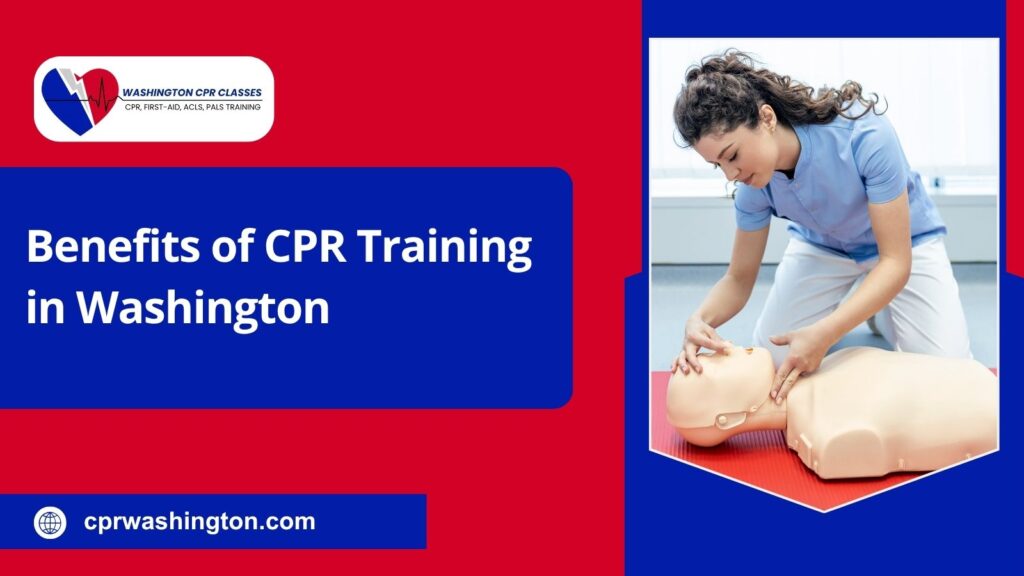
Modern CPR training follows evidence-based guidelines and combines classroom or online learning with hands-on skills practice. Participants learn the correct techniques for performing chest compressions, providing rescue breaths when appropriate, relieving choking, and operating an Automated External Defibrillator (AED).
Healthcare professionals often complete advanced courses such as Basic Life Support (BLS), Advanced Cardiovascular Life Support (ACLS), or Pediatric Advanced Life Support (PALS), while community CPR courses are designed for the general public, parents, teachers, childcare providers, coaches, and workplace employees.
Key Benefits of CPR Training in Washington
Washington is home to thriving cities, rural communities, schools, healthcare facilities, manufacturing industries, and some of the country’s most popular outdoor recreation areas. Because emergencies can happen anywhere, and emergency response times may vary depending on location, having CPR-trained individuals throughout the community is essential.
Some of the key benefits of CPR training include:
1. Helps You Respond to Cardiac Emergencies
One of the most important benefits of CPR training is learning how to recognize cardiac arrest and respond quickly. Participants learn how to activate the emergency response system, begin high-quality CPR, and use an AED when available. Starting CPR promptly can help maintain blood flow to the brain and other vital organs until professional medical care arrives.
2. Builds Confidence in Emergency Situations
Emergencies can be stressful, especially when someone has never practiced lifesaving skills before. CPR training combines instruction with hands-on practice, helping participants become more familiar with chest compressions, AED use, and other emergency procedures. This practical experience can make it easier to remain focused and take appropriate action during a real emergency.
3. Teaches to Use an AED
Automated External Defibrillators (AEDs) are designed to analyze a person’s heart rhythm and provide a shock when appropriate. CPR courses teach participants how to operate an AED safely, place the pads correctly, follow the device’s prompts, and continue CPR as directed. Knowing how to combine CPR with AED use is an important part of responding to sudden cardiac arrest.
4. Improves Safety at Home
Medical emergencies can happen to family members, friends, or caregivers at any time. Parents, grandparents, babysitters, and other caregivers can benefit from learning CPR, infant CPR, child CPR, and choking-response techniques. These skills can help families respond more effectively while waiting for emergency medical services.
5. Supports Workplace Emergency Preparedness
CPR-trained employees can provide immediate assistance if a coworker, customer, or visitor experiences a medical emergency. CPR certification can be particularly useful in offices, schools, construction sites, healthcare facilities, fitness centers, restaurants, and other workplaces where employees may be responsible for the safety of others.
6. Helps You Meet Job and Professional Requirements
Certain occupations require current CPR or BLS certification as part of workplace policies, professional standards, or licensing requirements. Healthcare providers, teachers, childcare professionals, lifeguards, fitness professionals, and other workers may need to maintain an appropriate certification. Completing the correct CPR course can help employees meet these requirements while developing practical emergency response skills.
7. Prepares for Outdoor Emergencies in Washington
Washington offers extensive opportunities for hiking, camping, skiing, boating, kayaking, fishing, and other outdoor activities. Some emergencies may occur in locations where professional medical assistance cannot arrive immediately. CPR training gives outdoor enthusiasts basic lifesaving skills they can use while waiting for EMS or rescue personnel.
8. Protects Children and Other Vulnerable People
Infants, children, older adults, and people with certain medical conditions may require immediate assistance during an emergency. CPR training teaches age-appropriate response techniques, allowing parents, caregivers, teachers, healthcare workers, and family members to prepare for emergencies involving vulnerable individuals.
9. Develops Practical Lifesaving Skills
CPR training teaches more than chest compressions. Depending on the course, participants may learn:
- Adult, child, and infant CPR
- AED operation
- Choking relief
- Rescue breathing
- Emergency recognition
- Scene safety
- Emergency communication
- Team-based resuscitation
These skills can be useful in both personal and professional environments.
10. Strengthens Community Preparedness
The more people who know CPR, the more prepared a community can be to respond to sudden emergencies. CPR-trained residents can act as immediate responders while someone contacts 911 and professional medical personnel are on the way. Schools, businesses, community organizations, and families can all benefit from having people with current CPR skills.
Who Benefits from CPR Training in Washington?
CPR training benefits anyone who wants to be prepared to respond to a life-threatening emergency. While CPR certification is especially important for healthcare professionals and people whose jobs involve caring for others, the skills can be valuable for parents, employees, teachers, caregivers, and members of the general public.
Here are some of the professionals that benefits most from CPR training in Washington:
Healthcare Professionals
Healthcare professionals are among the most common groups who benefit from CPR training. Doctors, nurses, medical assistants, dentists, EMTs, paramedics, and other patient-care professionals may need current CPR or BLS certification to meet workplace or professional requirements.
Depending on their responsibilities, healthcare providers may also benefit from advanced courses such as ACLS or PALS.
Teachers and School Staff
Teachers, coaches, school nurses, administrators, and other school employees may encounter cardiac arrest, choking, breathing emergencies, or other medical incidents involving students or staff.
CPR training helps school personnel recognize emergencies, activate the appropriate response, begin CPR, and use an AED when available.
Childcare Providers and Babysitters
Childcare providers regularly care for infants and young children who may experience choking, breathing difficulties, drowning incidents, or other emergencies. CPR training helps daycare workers, babysitters, nannies, and childcare professionals learn age-appropriate CPR and choking-response techniques.
Parents and Family Caregivers
Parents, grandparents, and family caregivers can benefit from CPR training because emergencies can occur unexpectedly at home or during everyday activities. Learning adult, child, and infant CPR can help caregivers respond more confidently when a loved one needs immediate assistance.
Fitness Professionals and Coaches
Personal trainers, gym employees, sports coaches, athletic staff, and recreation professionals work with people who may experience medical emergencies during physical activity. CPR certification gives these professionals practical skills for responding quickly while professional medical assistance is being activated.
Workplace Employees
CPR training can benefit employees in almost any industry. Workers in offices, construction, manufacturing, warehouses, restaurants, retail stores, hospitality businesses, and security services may encounter an emergency involving a coworker, customer, or visitor.
Having CPR-trained employees can strengthen workplace emergency preparedness and create a safer environment.
Outdoor Enthusiasts
Washington offers extensive opportunities for hiking, camping, skiing, boating, kayaking, fishing, and other outdoor activities. People participating in these activities may sometimes be far from immediate medical assistance.
CPR training can help hikers, campers, boaters, skiers, and other outdoor enthusiasts provide initial assistance while waiting for EMS or rescue personnel.
Community Members
CPR isn’t only for people with professional responsibilities. Any Washington resident can benefit from learning how to recognize cardiac arrest, perform CPR, use an AED, and respond to choking emergencies.
The more people who are trained, the greater the potential for someone to be prepared when an emergency occurs in a home, workplace, school, public facility, or community setting.
What You’ll Learn During CPR Training
The exact curriculum depends on the course, provider, and certification level. However, a comprehensive CPR course generally combines emergency-response knowledge with hands-on skills practice.
Below are the common skills that you will learn during basic-level CPR training:
CPR Techniques
You will learn how to recognize when CPR is needed and perform proper chest compressions and rescue breaths for adults, children, and infants.
AED Operation
Training teaches you how to use an automated external defibrillator (AED) safely and effectively. You will learn how AED use works together with CPR during a cardiac emergency.
Recognizing Cardiac Emergencies
You will learn how to identify signs of cardiac arrest, assess the situation, and take immediate action while waiting for professional medical assistance.
Infant and Child CPR
Courses that include pediatric training teach age-appropriate CPR techniques for infants and children, helping parents, caregivers, teachers, and childcare professionals prepare for emergencies.
Choking Response
CPR training may also cover how to recognize and respond to choking emergencies in adults, children, and infants.
Basic First Aid Skills
Depending on the course, you may learn basic first-aid techniques for common injuries and medical emergencies, providing additional emergency preparedness skills.
Hands-On Practice
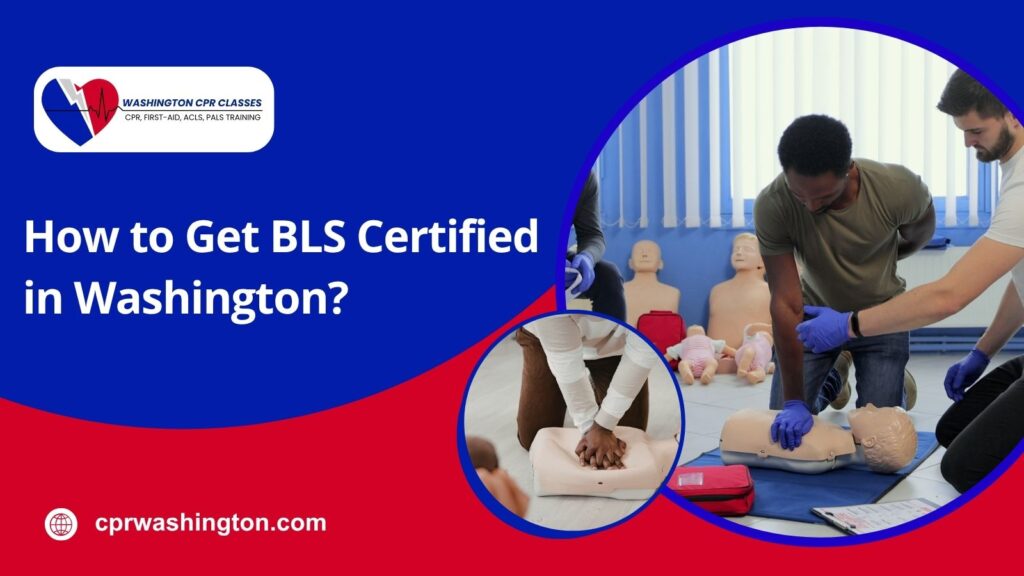
Practical training allows you to practice CPR, AED use, and other emergency procedures using training equipment. This hands-on experience helps build confidence and makes it easier to respond appropriately in a real-life emergency.
Why CPR Training Is Especially Valuable in Washington
CPR training is valuable throughout Washington State because emergencies can happen in homes, workplaces, schools, public spaces, and outdoor environments. Learning CPR and AED skills helps individuals respond quickly while waiting for professional medical assistance.
Below are some of the key reasons why CPR training is especially valuable in Washington:
Diverse Urban and Rural Communities
Washington includes large metropolitan areas as well as smaller towns and rural communities. Cities such as Seattle, Tacoma, Spokane, Bellevue, Vancouver, Everett, and Olympia have busy workplaces, schools, healthcare facilities, shopping centers, and public spaces where medical emergencies can occur.
At the same time, people in smaller or more remote communities may experience longer response times because of distance or accessibility. In either setting, having CPR-trained individuals nearby can provide valuable assistance while EMS is on the way.
Outdoor Recreation Across Washington
Washington’s diverse landscape makes CPR training particularly relevant for people who enjoy outdoor activities. The Cascade Mountains, Olympic Peninsula, Puget Sound, and numerous lakes and rivers attract residents and visitors for hiking, camping, skiing, boating, fishing, kayaking, and other recreational activities.
Some outdoor locations are far from hospitals or emergency medical facilities. If a serious emergency occurs, a CPR-trained person may be able to provide immediate assistance while waiting for professional responders.
Schools, Childcare, and Workplaces
CPR training is also valuable in everyday environments where people spend much of their time. Teachers, childcare providers, coaches, healthcare workers, and employees may encounter cardiac arrest, choking, or breathing emergencies involving students, coworkers, customers, or visitors.
Having CPR-trained individuals in schools, childcare centers, offices, construction sites, fitness facilities, and other workplaces can strengthen an organization’s emergency preparedness.
Stronger Community Preparedness
CPR training doesn’t only benefit the person who earns the certification. It can contribute to a safer community by increasing the number of people prepared to respond during a medical emergency.
How to Choose the Best CPR Training Provider?
Choosing the right CPR training provider in Washington ensures you receive quality instruction and a certification that meets your needs.
Consider these factors when choosing the best CPR training provider:
- Check Certification: Make sure the certification is accepted by your employer or professional organization.
- Choose Hands-On Training: Look for courses that provide practical CPR and AED practice.
- Review Course Options: Select the right course, such as CPR/AED, First Aid, or BLS certification.
- Check Instructor Qualifications: Choose experienced and qualified CPR instructors.
- Consider Location and Schedule: Look for convenient class locations and flexible schedules.
- Read Reviews: Check the provider’s reputation and feedback from previous students.
- Verify Renewal Requirements: Understand the certification validity period and renewal process.
A reputable provider should offer professional instruction, practical training, and certification appropriate for your personal or career requirements.
Take the Next Step Toward Becoming a Lifesaver
CPR training in Washington provides practical skills that can help you respond confidently during cardiac arrest, choking, and other life-threatening emergencies. From healthcare professionals and teachers to parents, caregivers, workplace employees, and outdoor enthusiasts, CPR training can benefit anyone who wants to be better prepared to help when every second matters.
To build these lifesaving skills, consider enrolling with CPR Washington, where you can access American Heart Association CPR, BLS, ACLS, and PALS training designed to make certification convenient and comfortable. With more than 20 years of experience and hundreds of thousands of people already certified, you can take your next step toward becoming a confident and prepared responder.