Cardiopulmonary resuscitation (CPR) is a critical lifesaving skill that can help someone experiencing cardiac arrest until emergency medical services arrive. However, CPR techniques, guidelines, and best practices are updated over time, which is why maintaining a current certification is important.
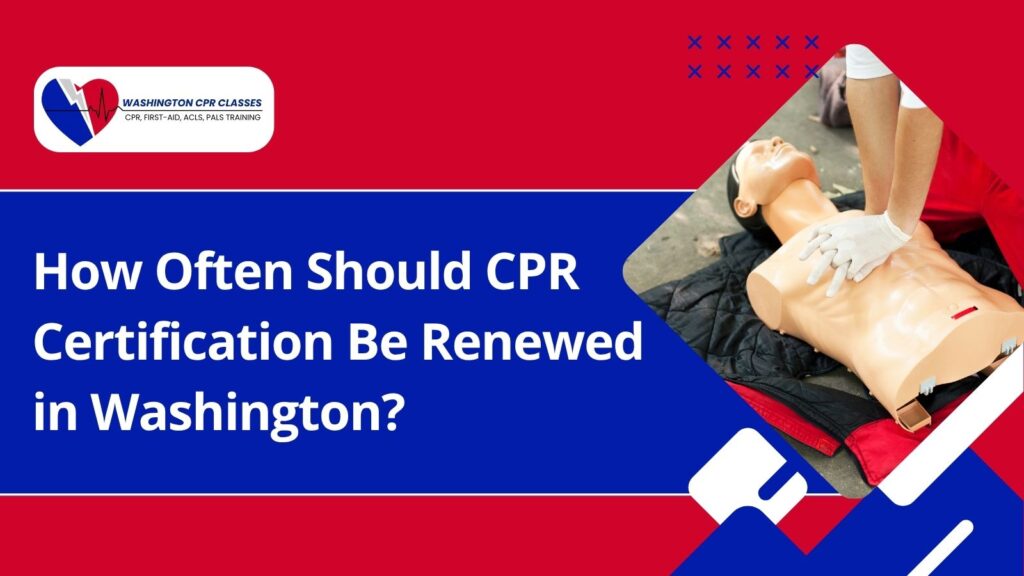
In Washington, CPR certifications issued by nationally recognized organizations such as the American Heart Association (AHA) are valid for two years and should be renewed every two years. Most organizations that provide CPR training follow the same two-year certification cycle, including programs for healthcare providers, workplace responders, and community members. However, specific renewal requirements may vary depending on your employer, profession, or certification provider.
This guide explains why CPR certification needs to be renewed, how the renewal process works, what to expect during a renewal course, and why keeping your certification current is so important.
Why Does CPR Certification Need to Be Renewed?
CPR certification needs to be renewed because lifesaving skills can decline over time, and CPR guidelines are periodically updated based on the latest medical research. Renewing your certification ensures you can perform high-quality CPR correctly, use an Automated External Defibrillator (AED) effectively, and respond confidently during cardiac arrest or other life-threatening emergencies.
Below are some of the reasons CPR certification must be renewed:
Keeps Your CPR Skills Sharp
CPR is a hands-on skill that requires proper technique and quick decision-making. Without regular practice, rescuers may forget important steps such as compression depth, compression rate, or the correct sequence for using an AED. Renewal courses provide an opportunity to refresh these essential skills through practical training.
Updates You on the Latest CPR Guidelines
Organizations like the American Heart Association (AHA) periodically update CPR guidelines to reflect the latest evidence-based research. Renewal courses teach these updated recommendations, helping you deliver the most effective care during an emergency.
Helps Meet Workplace and Licensing Requirements
Many employers in Washington require employees to maintain a current CPR certification. This is especially important for:
- Healthcare professionals
- Teachers and school staff
- Childcare providers
- First responders
- Fitness instructors
- Lifeguards
Keeping your certification current helps you remain compliant with workplace policies and professional credentialing requirements.
Builds Confidence During Emergencies
Responding to a cardiac arrest can be stressful. Regular renewal allows you to practice CPR and AED skills in a controlled environment, improving your confidence and ability to act quickly when every second counts.
Improves Patient Outcomes
High-quality CPR performed immediately after cardiac arrest significantly increases a person’s chances of survival. By renewing your certification regularly, you stay prepared to deliver effective chest compressions, provide rescue breaths when appropriate, and use an AED correctly until emergency medical services arrive.
How Do I Renew My CPR Certification in Washington?
Renewing your CPR certification in Washington typically involves completing a CPR renewal course through a recognized training provider before your current certification expires. The renewal process is designed to refresh your lifesaving skills, review updated CPR guidelines, and ensure you are prepared to respond during an emergency.
The steps to renew your CPR certification in Washington usually include:
1. Check Your Certification Expiration Date
Before enrolling in a renewal course, verify when your current CPR certification expires. Many employers recommend renewing several weeks before the expiration date to ensure continuous certification.
2. Choose the Appropriate Renewal Course
Select a renewal course that meets your employer’s or licensing board’s requirements. Common CPR renewal courses include:
- Heartsaver CPR/AED for workplace responders and the general public
- Basic Life Support (BLS) for healthcare professionals
- Advanced Cardiovascular Life Support (ACLS) for advanced healthcare providers
- Pediatric Advanced Life Support (PALS) for professionals who care for infants and children
Be sure to choose a course offered by a nationally recognized training organization that your employer accepts.
3. Complete the Required Training
Many providers offer flexible training options, including blended learning that combines online coursework with an in-person skills assessment. During the course, you’ll review the latest CPR guidelines and practice essential lifesaving techniques.
Training typically covers:
- Adult, child, and infant CPR
- AED (Automated External Defibrillator) use
- Choking relief techniques
- High-quality chest compressions
- Rescue breathing
- Team-based CPR (for healthcare provider courses)
4. Pass the Skills Assessment
At the end of the course, you’ll demonstrate your CPR and AED skills during a hands-on evaluation. This assessment confirms that you can perform lifesaving techniques correctly and confidently in an emergency.
5. Receive Your New Certification
After successfully completing the renewal course, you’ll receive an updated CPR certification card, which is typically valid for another two years. Many training providers issue digital certification cards that can be easily shared with employers or licensing agencies.
Can I Renew an Expired CPR Certification in Washington?
Yes, you can usually renew an expired CPR certification in Washington, but the process depends on how long your certification has been expired, the requirements of your employer, and the policies of your CPR class provider. In many cases, individuals with an expired certification may need to complete a full CPR certification course instead of a shorter renewal class.
Maintaining an active CPR certification is important, especially for professionals who need CPR credentials for employment, licensing, or workplace compliance. Renewing before your certification expires can help you avoid additional training requirements and prevent gaps in your certification status.
How Early Can You Renew CPR Certification?
You don’t have to wait until your CPR certification expires to renew it. In fact, renewing early is recommended because it helps you maintain continuous certification and avoid any gaps that could affect your employment or professional credentials.
Most CPR training providers allow participants to renew several weeks or even a few months before their certification expiration date. The exact timeframe may vary depending on the certifying organization and your employer’s policies, so it’s a good idea to review your certification details and schedule your renewal in advance.
Do Healthcare Workers Need CPR Renewal More Often?
No. In most cases, healthcare workers in Washington do not need to renew their CPR certification more often than every two years. Most American Heart Association (AHA) Basic Life Support (BLS) certifications, as well as ACLS and PALS certifications, remain valid for 24 months.
However, while the official certification period is typically two years, many healthcare employers require staff to participate in ongoing CPR skills training, competency assessments, or emergency response drills between renewal cycles. These internal training requirements help ensure healthcare professionals can deliver high-quality CPR when responding to real-life emergencies.
What Is Covered in a CPR Renewal Course?
A CPR renewal course refreshes your existing knowledge and reinforces the skills needed to respond confidently during a cardiac or breathing emergency. It also covers any updates to current CPR guidelines to ensure you continue using the latest evidence-based techniques.
Most CPR renewal courses include:
- Adult CPR: High-quality chest compressions, rescue breaths, and two-rescuer CPR.
- Child and Infant CPR: Age-specific CPR techniques and emergency response.
- AED Training: Proper use of an Automated External Defibrillator (AED).
- Choking Relief: How to assist choking adults, children, and infants.
- Hands-On Skills Practice: Practical CPR and AED skills assessment.
- Guideline Updates: Review of the latest CPR recommendations and best practices.
Depending on the course you’re renewing, such as Heartsaver CPR/AED, BLS, ACLS, or PALS, additional topics may be included. After successfully completing the course and skills assessment, you’ll receive a renewed CPR certification, typically valid for another two years.
How Long Does CPR Renewal Take?
The time required to renew your CPR certification depends on the type of course you’re taking. Most CPR renewal courses can be completed in 2 to 6 hours, with blended learning options allowing you to complete the classroom portion online before attending a shorter in-person skills assessment.
Here are the typical course durations:
| Course | Typical Duration |
| Heartsaver CPR/AED Renewal | 2–4 hours |
| BLS Renewal | 2.5–4 hours |
| ACLS Renewal | 4–6 hours |
| PALS Renewal | 4–6 hours |
The exact duration may vary depending on the training provider, course format, and whether you complete online learning before your hands-on skills session. After successfully completing the renewal course, you’ll receive a CPR certification that is typically valid for two years
Tips for Keeping Your CPR Certification Current
Keeping your CPR certification current ensures that your skills remain up to date and that you are prepared to respond during an emergency.
Follow these tips to avoid an expired certification:
- Track your expiration date: Check your CPR certification card and set reminders before your certification expires.
- Renew early: Schedule your CPR renewal course one to three months before expiration to avoid gaps in certification.
- Choose an approved training provider: Make sure your CPR course meets your employer’s or professional requirements.
- Keep your certification records: Save a digital and physical copy of your CPR certificate for easy access when needed.
- Practice CPR skills regularly: Reviewing CPR techniques helps maintain confidence and proper response skills.
- Check workplace requirements: Healthcare workers and other professionals should confirm renewal requirements with their employer or licensing organization.
Staying proactive with CPR renewal helps you maintain compliance, improve emergency readiness, and remain prepared to provide lifesaving assistance when needed.
Stay Current With CPR Certification in Washington
Keeping your CPR certification current is essential for maintaining your lifesaving skills, meeting workplace requirements, and staying prepared to respond during emergencies. In Washington, most CPR certifications are renewed every two years, but specific requirements may vary based on your profession, employer, and certification type. By renewing on time, practicing essential CPR techniques, and staying updated with the latest guidelines, you can remain confident and ready to provide effective assistance when someone’s life depends on your quick response.
If you’re ready to renew your CPR certification, CPR Washington, powered by CPR VAM, makes the process convenient and efficient. As an American Heart Association (AHA) Authorized Training Center, we offer CPR, BLS, ACLS, and PALS certification and renewal courses through a flexible blended learning format. With innovative Voice-Assisted Manikin (VAM) technology, self-guided hands-on skills sessions, flexible scheduling, and same-day AHA eCards upon successful course completion, you’ll gain the up-to-date knowledge and practical skills needed to respond confidently in real-life emergencies.