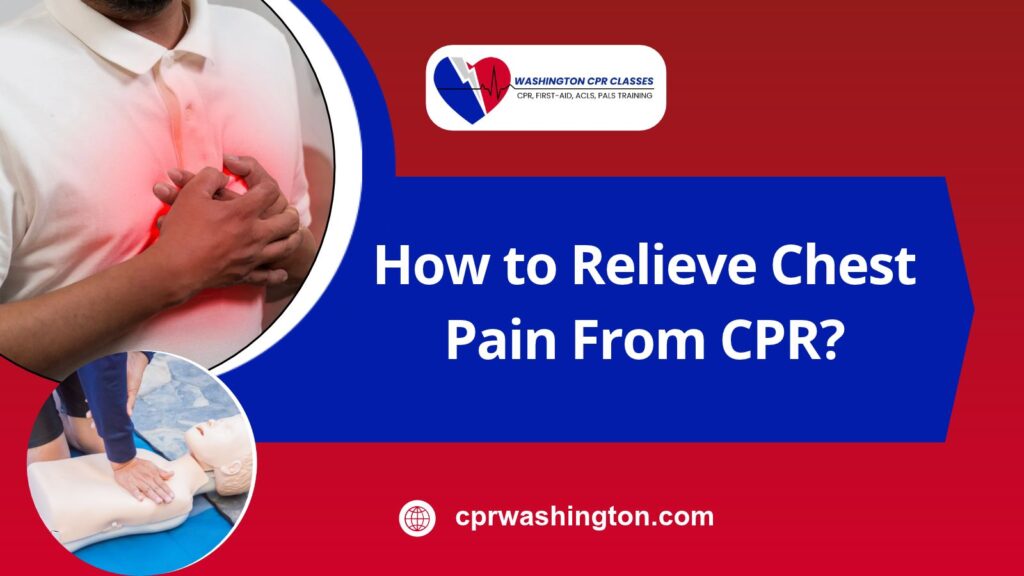
Chest pain after cardiopulmonary resuscitation (CPR) is common among people who regain consciousness after cardiac arrest. Chest compressions apply firm, repeated pressure to the breastbone and rib cage, which can cause muscle soreness, bruising, rib fractures, or a fractured sternum. The discomfort often becomes more noticeable when breathing deeply, coughing, moving, or pressing on the chest.
The safest way to relieve chest pain after CPR depends on its cause and severity. Mild soreness from chest compressions often improves with rest, appropriate pain relief, and gradual recovery. However, chest pain after resuscitation requires medical assessment because injuries to the ribs, lungs, or internal organs can occur, and the original heart problem also needs evaluation.
This guide explains how to relieve chest pain after CPR, which pain-relief methods are appropriate, how long soreness lasts, and when to seek emergency medical attention.
Why Does Your Chest Hurt After CPR?
Chest pain after CPR usually results from the force needed to deliver effective chest compressions. During adult CPR, rescuers compress the chest approximately 2 inches (5 cm) deep at a rate of 100–120 compressions per minute. These compressions help circulate blood during cardiac arrest, but they also place considerable mechanical stress on the chest wall.
Common causes of chest pain after CPR include:
- Muscle soreness: Repeated compressions strain the muscles and soft tissues surrounding the chest.
- Bruised ribs: Pressure from compressions can bruise the tissues around the ribs.
- Rib fractures: One or more ribs can break during chest compressions, particularly in older adults or people with fragile bones.
- Sternal fracture: The breastbone can fracture under repeated pressure during CPR.
- Other injuries: Less commonly, chest compressions can contribute to lung injuries or other internal complications that require urgent treatment.
Although these injuries can occur during CPR, chest compressions should never be withheld from someone experiencing cardiac arrest because of concerns about possible rib fractures. The immediate priority is to restore circulation and save the person’s life.
How to Relieve Chest Pain From CPR
Relieving chest pain after CPR involves controlling pain, reducing swelling, protecting injured ribs, and maintaining normal breathing. A healthcare professional should assess the person first to identify possible rib fractures, sternum injuries, or other complications.
Below are ways to relieve chest pain from CPR:
1. Apply a Cold Pack to the Chest
A cold pack helps reduce swelling, bruising, and discomfort around the chest wall after CPR. Wrap an ice pack or a bag of frozen vegetables in a thin towel and place it gently over the sore area.
Apply the cold pack for approximately 10–20 minutes at a time, especially during the first few days after the injury. Never apply ice directly to the skin or press firmly against a painful area. Follow the advice of the treating healthcare professional if a significant chest injury is suspected.
2. Take Appropriate Pain Relief
Pain medication helps control soreness caused by bruised ribs, muscle strain, or rib fractures. A healthcare professional or pharmacist can recommend an appropriate pain reliever based on the person’s medical history, other medications, and the cause of the pain.
Common options include:
- Acetaminophen (paracetamol): Helps relieve mild to moderate pain.
- Ibuprofen: Reduces pain and inflammation but is unsuitable for some people, including those with certain kidney problems, stomach ulcers, bleeding risks, or medication interactions.
- Prescription pain medication: A clinician can prescribe stronger treatment when an injury causes significant pain.
Follow the recommended dosage and avoid combining medicines that contain the same active ingredient. Because CPR often follows a serious cardiac event, check with the treating clinician before taking anti-inflammatory medicines such as ibuprofen.
3. Rest and Avoid Strenuous Activities
Rest gives injured chest muscles and tissues time to recover. Avoid heavy lifting, strenuous exercise, pushing or pulling heavy objects, and movements that intensify the pain.
However, complete bed rest is not recommended for routine rib injuries unless a healthcare professional instructs otherwise. Gentle walking and light movement, as tolerated, help maintain mobility and support recovery. Increase activity gradually as the pain improves.
4. Practice Gentle Deep Breathing
Chest pain after CPR can make a person reluctant to breathe deeply. However, shallow breathing and avoiding coughing can allow mucus to accumulate in the lungs, increasing the risk of a chest infection.
To support recovery:
- Sit upright in a comfortable position.
- Take a slow, gentle breath in through the nose.
- Breathe out slowly without forcing the movement.
- Repeat regularly according to the healthcare professional’s instructions.
- If coughing is necessary, support the painful area with a pillow held gently against the chest.
Stop and seek medical advice if breathing exercises cause significant pain, dizziness, or worsening shortness of breath. Do not force deep breaths through severe pain.
5. Find a Comfortable Sleeping Position
Chest discomfort can interfere with sleep, especially when turning over or lying flat. Sleeping in a slightly elevated position with pillows supporting the upper body can make breathing and movement more comfortable.
Choose a position that allows comfortable, unrestricted breathing. Avoid remaining in one position for prolonged periods during the day, and move gently as tolerated.
6. Follow the Treatment Plan for Broken Ribs
If CPR caused a rib fracture or sternum fracture, follow the treatment plan provided by the healthcare team. Most uncomplicated rib fractures heal without surgery, but recovery requires adequate pain control and monitoring for complications.
Do not tightly wrap or bind the chest to reduce pain. Restricting chest movement interferes with normal breathing and increases the risk of lung complications. Seek further medical assessment if pain prevents normal breathing, coughing, or everyday movement.
When Is Chest Pain After CPR an Emergency?
Chest pain after CPR should not automatically be attributed to broken ribs or muscle soreness. Cardiac arrest can result from a heart attack or another serious condition, and resuscitation can cause injuries that require urgent treatment.
Call your local emergency number immediately if the person experiences any of the following symptoms:
- Severe, sudden, or worsening chest pain.
- Difficulty breathing or increasing shortness of breath.
- Chest pressure or tightness, particularly if it spreads to the arm, jaw, back, or shoulder.
- Fainting, confusion, cold sweats, or signs of shock.
- Coughing up blood.
- New abdominal pain or shoulder pain following a suspected rib fracture.
These symptoms can indicate a heart problem, a lung injury, internal bleeding, or another potentially life-threatening complication. Do not attempt to manage these symptoms with home remedies alone.
How Long Does Chest Pain From CPR Last?
The duration of chest pain after CPR depends on the type and severity of the injury.
| Type of injury | Typical recovery |
| Mild muscle soreness | Improves over several days |
| Chest wall bruising | Often improves over days to a few weeks |
| Bruised or uncomplicated broken ribs | Commonly heals within 2–6 weeks |
| Sternum fracture or more serious chest injury | Requires individualized medical assessment and can take longer to heal |
These time frames are general estimates, not a diagnosis. The underlying cause of cardiac arrest, the person’s overall health, and the severity of the injury also affect recovery. Chest pain that worsens, fails to improve, or interferes with breathing needs medical reassessment.
Can CPR Cause Broken Ribs?
Yes. CPR can cause rib fractures, bruising, and, in some cases, a fractured sternum because chest compressions require repeated pressure on the chest.
Common signs of a rib fracture include localized tenderness, swelling, bruising, and pain that worsens when breathing deeply, coughing, or moving. However, symptoms alone cannot reliably distinguish a broken rib from a muscle injury.
The possibility of breaking a rib should never prevent a rescuer from performing CPR on someone in cardiac arrest. Without immediate CPR and timely defibrillation when indicated, cardiac arrest can quickly become fatal. Effective chest compressions take priority over avoiding injury.
How Can You Prevent Chest Injuries During CPR?
Chest injuries cannot always be prevented during CPR, but using the correct technique helps deliver effective compressions.
- Position your hands correctly: Place the heel of one hand in the center of the adult’s chest, on the lower half of the breastbone, and place the other hand on top.
- Maintain the correct compression depth: Compress an adult’s chest approximately 2 inches (5 cm), avoiding depths greater than 2.4 inches (6 cm).
- Maintain the correct rate: Deliver 100–120 chest compressions per minute.
- Allow full chest recoil: Let the chest return to its normal position after each compression.
- Minimize interruptions: Keep pauses in chest compressions as short as possible.
- Use proper training: Learn and practice CPR techniques through a recognized training course.
These steps support high-quality CPR and effective blood circulation during cardiac arrest. They do not eliminate the possibility of rib fractures, and rescuers should never reduce compression depth or force below recommended levels simply to avoid injury.
Build Your CPR Skills With CPR Washington
Chest pain after CPR often results from chest wall soreness, bruising, or rib fractures. Rest, wrapped cold packs, appropriate pain relief, gentle movement, and regular breathing exercises support recovery when recommended by a healthcare professional. However, chest pain after resuscitation requires careful evaluation because serious cardiac and chest injuries can produce similar symptoms.
To learn how to respond effectively during cardiac emergencies, enroll in CPR Washington’s AHA-authorized BLS certification course. You’ll learn essential CPR techniques, proper chest compression methods, and how to use an automated external defibrillator (AED). Healthcare professionals seeking advanced training can also enroll in ACLS and PALS certification courses. With flexible online learning and an in-person skills session, you can train on your own schedule and complete your certification quickly. Get certified with CPR Washington and build the skills and confidence to respond to life-threatening emergencies.