Advance your clinical readiness with American Heart Association–aligned ACLS, BLS, and PALS training in Seattle, WA. Designed for beginners to experts, our blended courses combine online learning with hands-on skills testing to deliver reliable certification.
5/5 from 100+ reviews, Trusted by Washington healthcare teams
401 Broadway East #101 Seattle, WA 98102
Conveniently located in Capitol Hill, Washington, we offer AHA-certified CPR, First Aid, BLS, ACLS, and PALS courses.
BLS
ACLS
PALS
Monday - Thursday: 8 am - 7 pm
Friday: 8 am - 6 pm
Saturday: 9am - 5 pm
Sunday: 9am - 4 pm
Our Capitol Hill, Seattle training site is located at 401 Broadway East #101, Seattle, WA 98102, in the vibrant Capitol Hill neighborhood. This centrally located training center offers convenient access for healthcare professionals, nursing and medical students, first responders, and workplace teams throughout the Seattle area. The location is easily reached from Interstate 5, State Route 520, and nearby neighborhoods including Downtown Seattle, South Lake Union, First Hill, Queen Anne, and the University District.
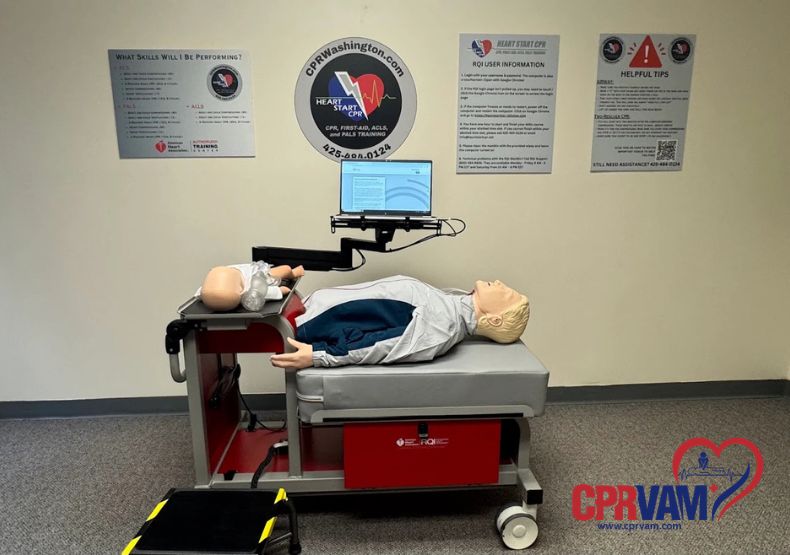
Take the appropriate exit toward Capitol Hill and follow signs to Broadway East. Continue to 401 Broadway East, where the training site is located on the ground level in Suite #101.
Head east toward Capitol Hill via Pike Street, Madison Street, or Olive Way. Continue to Broadway East and proceed to 401 Broadway East #101.
Travel toward Capitol Hill using Mercer Street or local roadways. Follow signs to Broadway East and continue to the training site at 401 Broadway East #101.
Take Eastlake Avenue, Interstate 5, or local streets south toward Capitol Hill. Continue to Broadway East and arrive at 401 Broadway East #101.
Students can identify the location by looking for:
Street parking is available throughout the Capitol Hill area. Please allow extra time to find parking, especially during peak business hours.
600 N. 36th St., Seattle, WA 98103
Conveniently located in Fremont, Seattle, we offer AHA-certified CPR, First Aid, BLS, ACLS, and PALS courses.
BLS
ACLS
PALS
Monday - Thursday: 8 am - 7 pm
Friday: 8 am - 5 pm
Saturday - Sunday 9am - 4 pm
Our Seattle training site is located at 600 N. 36th St., Seattle, WA 98103, in the Fremont–Wallingford corridor, a well-connected and accessible part of the city. The location is positioned near major Seattle neighborhoods including Fremont, South Lake Union, Ballard, and Queen Anne, making it convenient for healthcare professionals, students, and workplace teams across King County. With close proximity to Highway 99 (Aurora Ave N) and Interstate 5, the site is easily reachable from both north and south Seattle.
Take the exit toward NE 45th St or Mercer St, depending on your direction of travel. Continue west toward the Fremont/Wallingford area and follow local streets to N. 36th St.
Head north via I-5 or Highway 99 (Aurora Ave N). Exit toward Fremont or Wallingford and continue onto N. 36th St. Follow local signage to reach the training site.
Travel south via I-5 or Aurora Ave N toward the Fremont area. Continue through local intersections until you reach N. 36th St.
Head north via I-5 toward central Seattle. Exit toward the Fremont/Wallingford corridor and proceed west to N. 36th St.
Participants can identify the location by looking for:
Parking options are available near the training site, including nearby street parking and public parking areas within walking distance. Availability may vary depending on the time of day and local activity in the Fremont–Wallingford area.














Basic Life Support
Flexible & self-paced;
Hands-on practice
Truster Certification
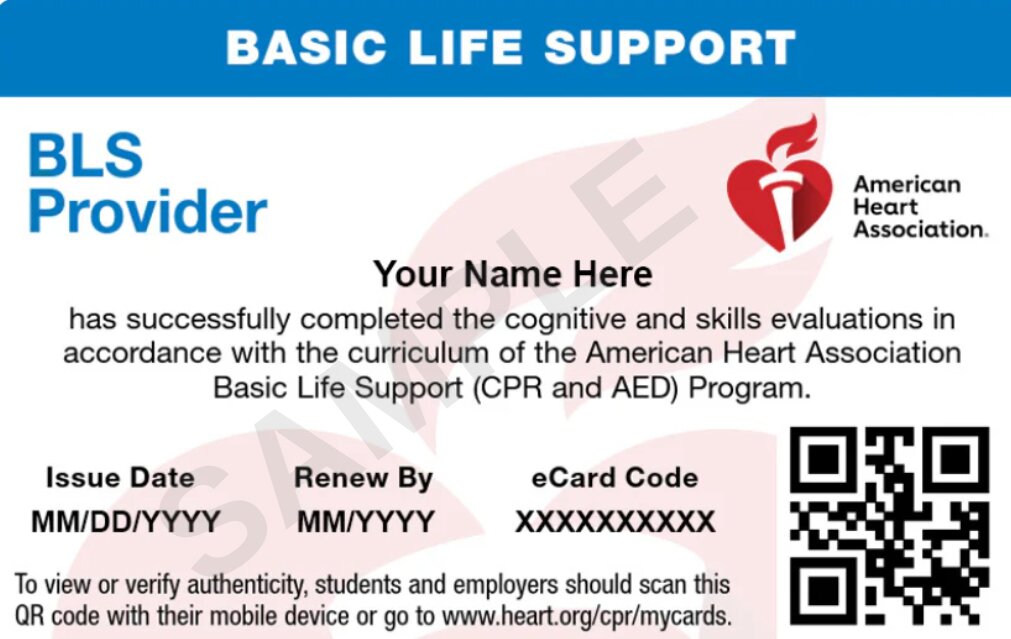
This course is designed to build essential emergency response skills for individuals working in healthcare and other safety-sensitive environments. Training focuses on delivering high-quality CPR for adults, children, and infants, using an AED correctly, and responding to choking or breathing emergencies. Participants also learn how to work effectively as part of a response team in real clinical and workplace situations. It is suitable for healthcare students, new clinical staff, caregivers, and workplace responders who need strong foundational life-saving skills. The emphasis is on quick recognition and immediate action during medical emergencies.
This advanced-level course prepares healthcare providers to respond to serious cardiovascular and respiratory emergencies in critical care settings. It includes training in ECG rhythm recognition, advanced airway techniques, emergency drug administration, and structured ACLS protocols used in resuscitation cases. The course also strengthens leadership ability, communication skills, and coordinated teamwork under pressure. It is intended for physicians, nurses, paramedics, and other experienced clinical professionals working in hospitals, emergency departments, and intensive care units. The focus is on improving clinical decision-making during high-risk situations.
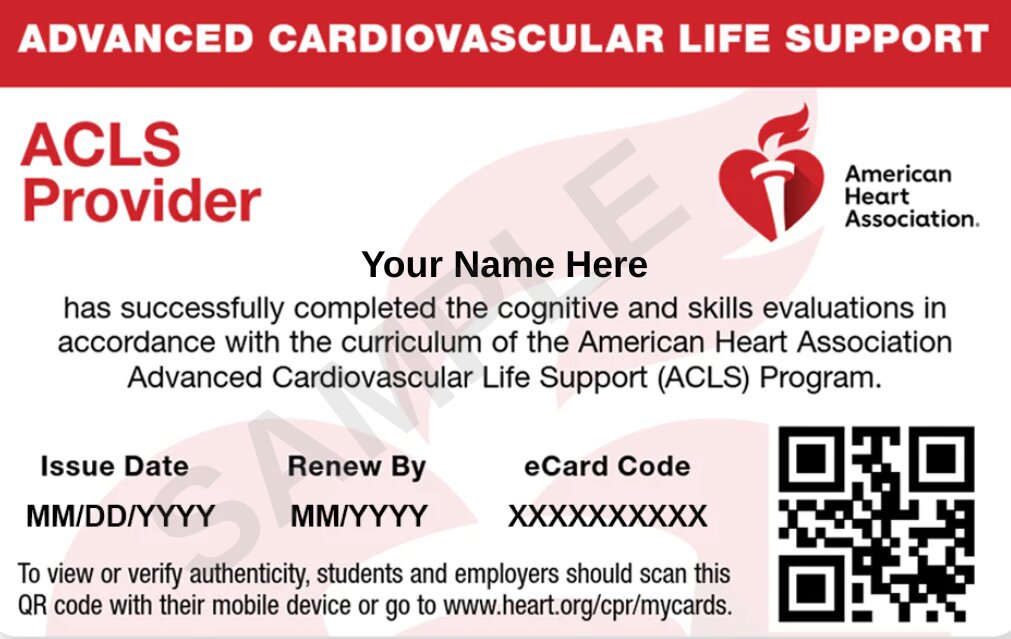
Advanced Cardiovascular Life Support
Flexible & self-paced;
Hands-on practice
Truster Certification
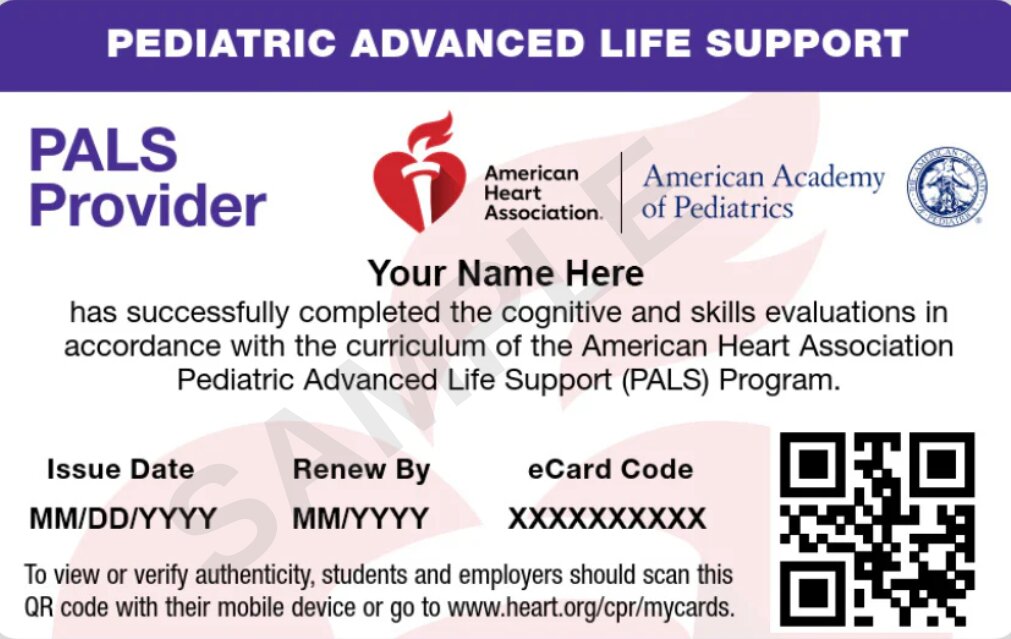
Pediatric Advanced Life Support
Flexible & self-paced;
Hands-on practice
Truster Certification
This course focuses on emergency care for infants and children in critical medical conditions. Participants are trained to recognize early warning signs such as breathing difficulties, shock, and cardiac instability and respond using structured pediatric assessment steps. The program emphasizes age-based treatment approaches, fast decision-making, and effective team coordination during pediatric emergencies. It is designed for healthcare professionals working in pediatric units, urgent care centers, emergency departments, and other clinical environments where pediatric response skills are essential.
These courses are designed for licensed and clinical healthcare providers who need AHA certification for work, credentialing, or hospital compliance. Training focuses on real-world emergency response used in clinical environments.
Includes roles such as:
Ideal for professionals who respond to emergencies in the field and must act quickly under pressure. These courses reinforce structured protocols and life-saving decision-making.
Includes roles such as:
Designed for students preparing to enter clinical practice or begin hospital rotations. Certification is often required before starting hands-on training or internships.
Includes programs such as:
Suitable for non-medical professionals responsible for safety in public or workplace environments. Focuses on basic emergency readiness and CPR skills.
Includes roles such as:
Helpful for individuals who want to be prepared for emergencies at home or in daily life. Training builds confidence in responding until emergency services arrive.
Includes:
| Medical Facility | Professionals Served |
|---|---|
| Harborview Medical Center | Physicians, nurses, EMTs, paramedics, respiratory therapists, and emergency department staff |
| UW Medical Center - Montlake | Physicians, nurses, medical students, EMTs, paramedics, and clinical staff |
| Swedish Medical Center | Physicians, nurses, EMTs, paramedics, respiratory therapists, and hospital staff |
| Virginia Mason Medical Center | Physicians, nurses, medical assistants, allied health professionals, and clinical staff |
| Seattle Children's Hospital | Pediatric physicians, nurses, respiratory therapists, EMTs, and pediatric healthcare staff |
| Seattle Central College Healthcare Programs | Nursing students, healthcare students, EMT students, and other healthcare trainees |
Start your training whenever it works for you. The online portion is self-paced and accessible from any device, so you can complete lessons without fixed schedules or in-person lecture requirements.
All certifications are based on American Heart Association standards and are widely accepted by hospitals, clinics, schools, dental offices, and healthcare employers across the United States.
Our blended learning model helps you complete certification faster than traditional classroom courses, making it a practical choice for busy healthcare professionals and students.
Easily complete BLS, ACLS, and PALS through a structured pathway that reduces repetition and helps you meet multiple certification requirements more efficiently.


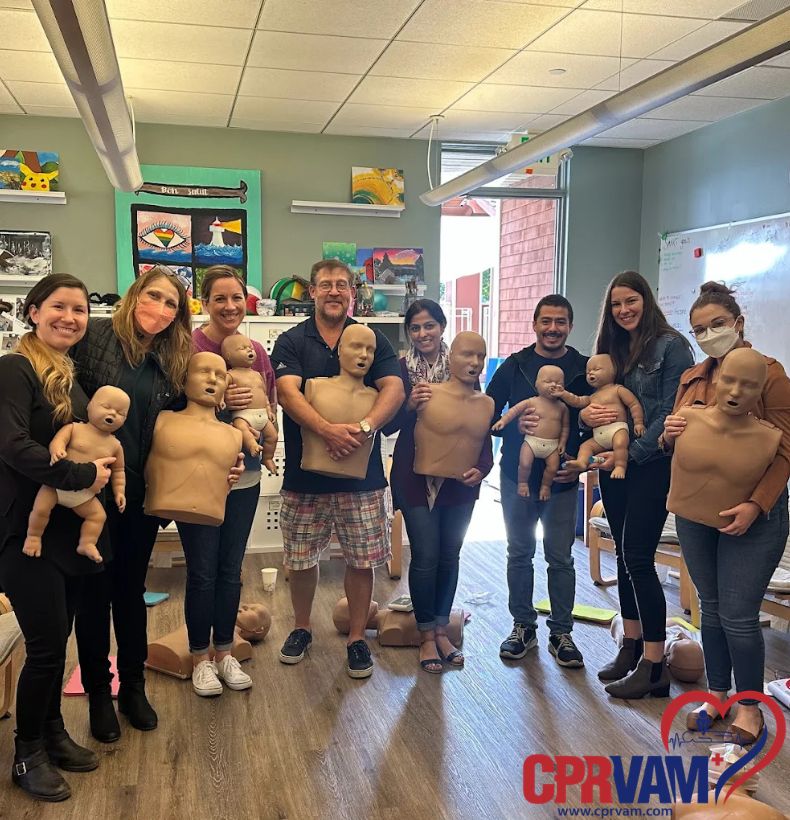
We offer on-site CPR and life support training across Seattle for organizations that need convenient, coordinated certification for multiple staff members. Our instructors come directly to your workplace or facility, providing hands-on training designed to meet American Heart Association standards while minimizing disruption to daily operations. This option is ideal for employers who want to train entire teams at once, ensure consistent skill levels across staff, and reduce travel time for employees. Sessions can be scheduled based on your organization’s availability, including flexible weekday or weekend options.
Healthcare Organizations
Corporate Offices
Colleges and Universities
Churches & Non-Profits
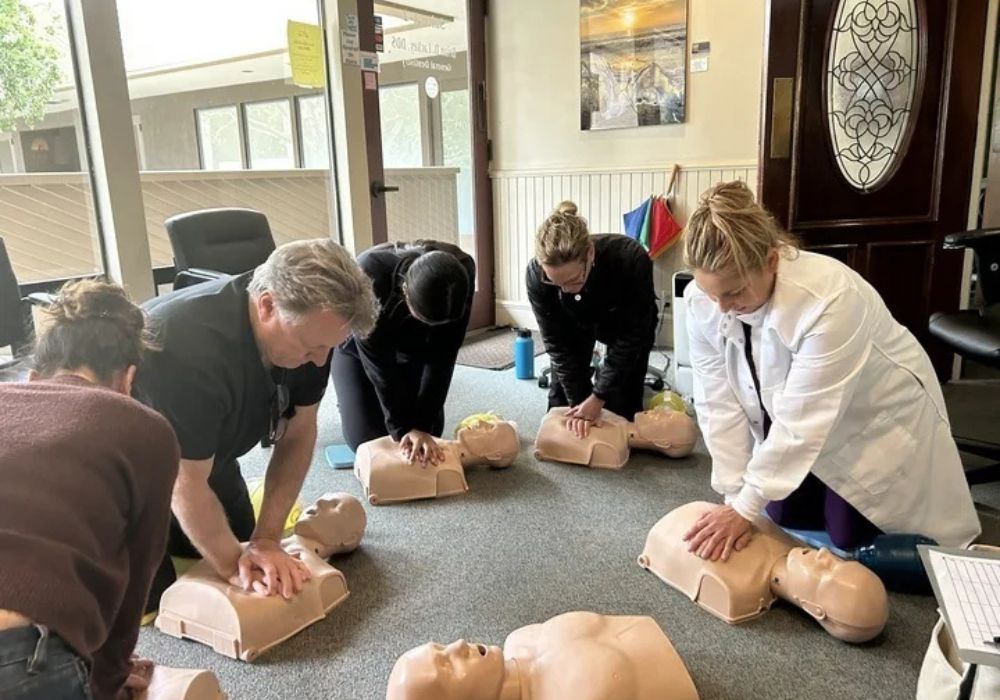
Your training starts with online learning you can complete whenever it works for you, followed by a hands-on skills session in Seattle where you demonstrate core life-saving techniques. Once both steps are finished, your AHA certification is issued without delay, allowing you to move forward with your clinical or professional requirements.
Seattle’s large healthcare, education, business, and community workforce creates a strong need for accessible, reliable CPR and life-support certification. CPR Washington training brings CPR VAM’s established experience in emergency medical education to Seattle community through American Heart Association (AHA) authorized CPR, BLS, ACLS, and PALS programs.. CPR VAM has spent decades working in emergency medical education and has trained hundreds of thousands of students across the country.
Through AHA CPR certification in Seattle, the training experience combines the convenience of flexible online learning with hands-on skills verification, giving learners a structured path toward certification. Healthcare professionals, students, employers, and community members can build practical emergency-response skills through curriculum designed to meet AHA requirements and prepare participants for situations where those skills may be needed.
You can register online by selecting your course (BLS, ACLS, or PALS) and choosing a Seattle skills session time. Once enrolled, you’ll receive instructions for completing the online portion and attending your in-person evaluation.
Yes. The online coursework is fully self-paced, allowing you to study anytime from any device. You can pause and resume training based on your schedule.
Yes. BLS is open to non-healthcare participants such as students, caregivers, and workplace responders. ACLS and PALS are typically intended for licensed or advanced healthcare providers.
Certification is typically issued after both the online and skills components are completed. In many cases, eCards are processed shortly after successful completion of the skills evaluation.
