Earn your AHA-compliant PALS certification through expert-led training available across Washington, preparing healthcare professionals to manage pediatric emergencies in critical and acute care environments.
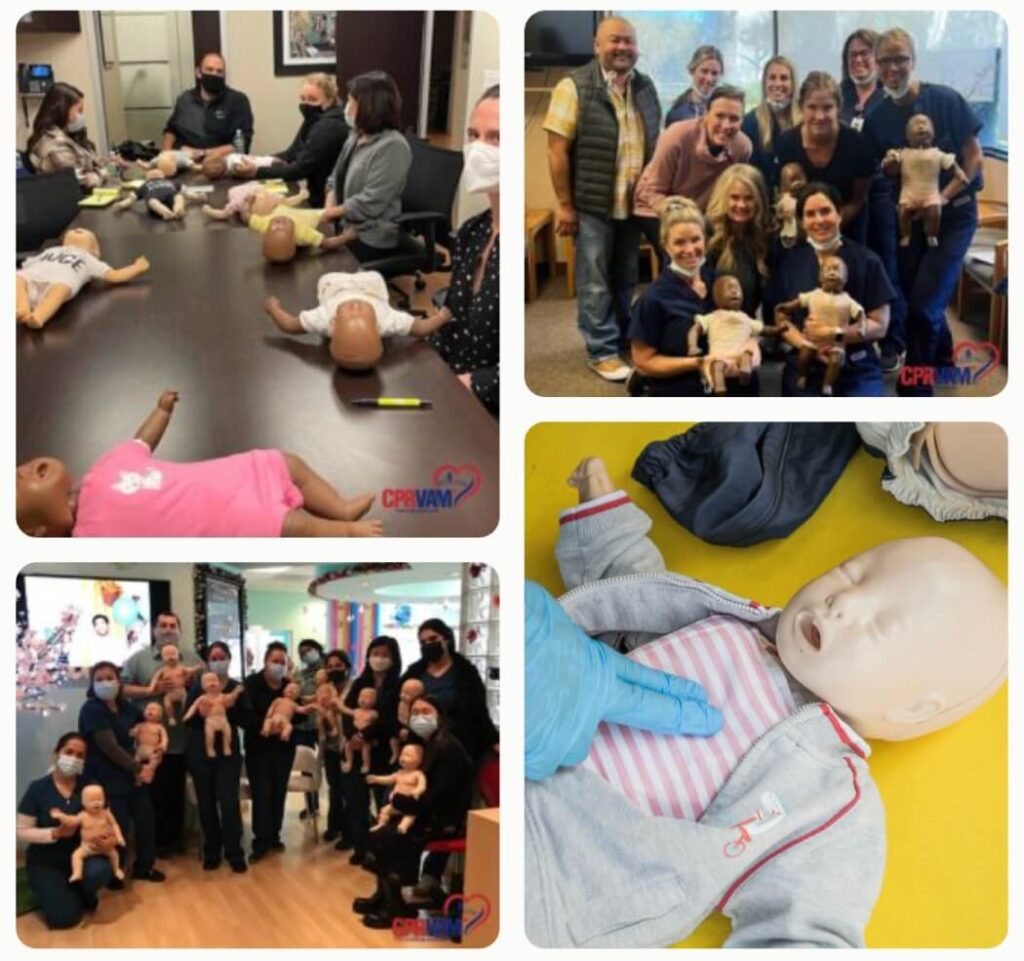
Our training is designed to be fast, flexible, and nationally recognized, helping students and healthcare professionals complete certification with confidence and ease.
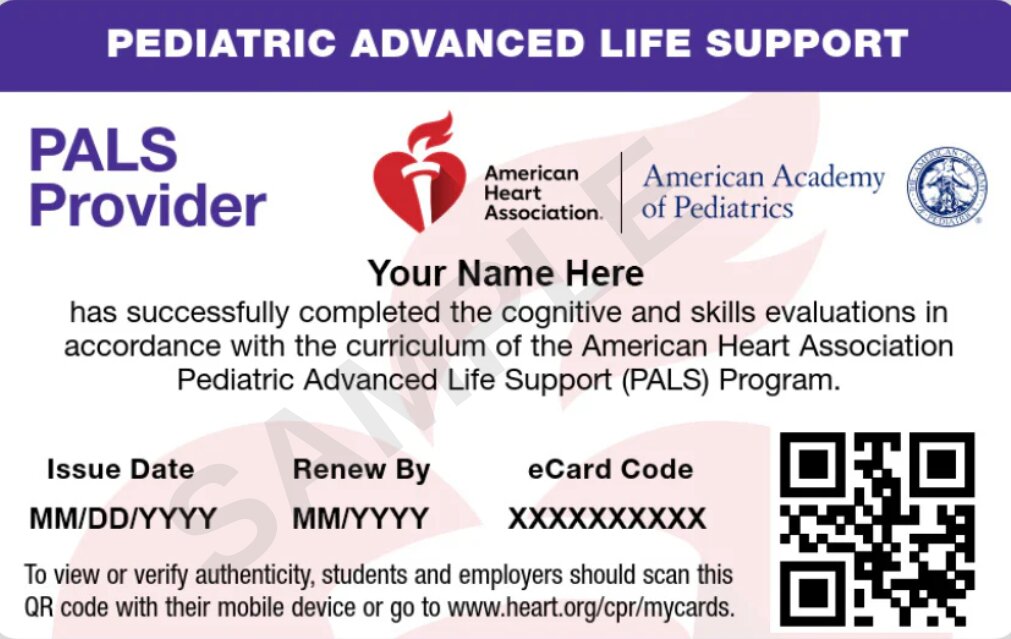
Ideal for those who need to complete PALS certification for the first time or renewing an existing certification.
Ideal for Students Who Already Have Online Course Access or need to refresh their hands-on skills.
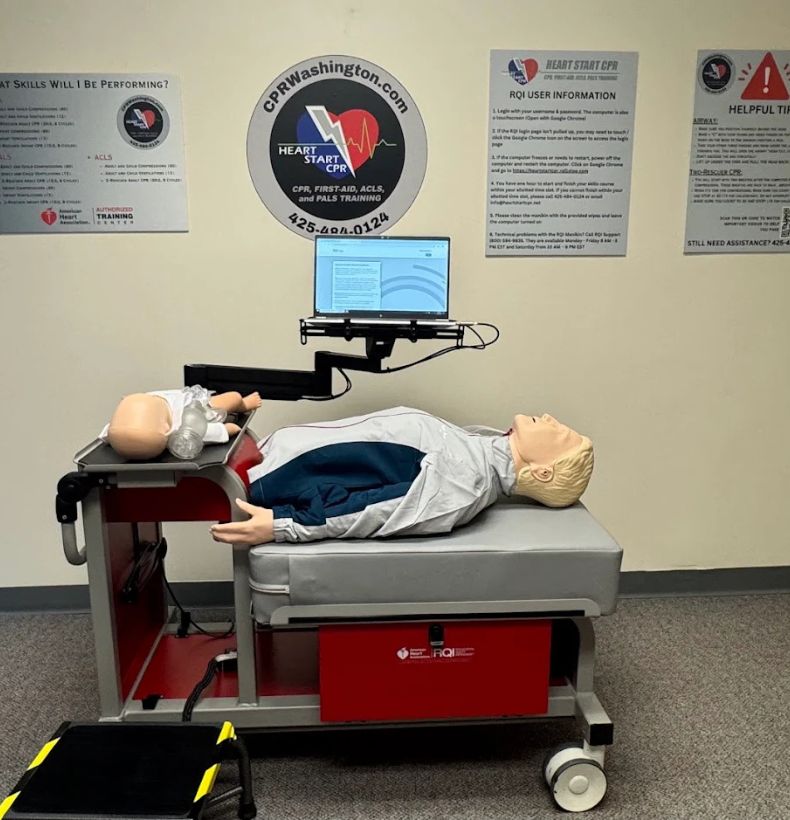
We offer flexible PALS training for healthcare professionals across Washington, making it easy to complete certification or renewal without disrupting clinical, hospital, or academic schedules. Whether you’re enrolling for the first time or renewing your credentials, our classes are structured for convenience, efficiency, and pediatric emergency readiness.
Choose from:
Our training focuses on delivering American Heart Association–aligned PALS instruction with a strong emphasis on pediatric assessment, emergency response skills, and hands-on, scenario-based practice.
Pediatric Advanced Life Support (PALS) is an advanced certification program developed by the American Heart Association that trains healthcare providers to recognize and manage life-threatening emergencies in infants and children. It focuses on rapid assessment and treatment of conditions such as respiratory distress, shock, and cardiac arrest, while teaching high-quality pediatric CPR, ECG interpretation, airway management, and the use of emergency equipment like AEDs. PALS also emphasizes effective team-based response and the use of standardized treatment algorithms to improve outcomes in pediatric emergencies.
Improves ability to recognize and respond quickly to pediatric emergencies such as respiratory failure, shock, and cardiac arrest
Enhances patient outcomes through timely, evidence-based intervention using AHA guidelines
Strengthens pediatric assessment skills, including early warning signs of deterioration
Improves teamwork, communication, and leadership during pediatric resuscitation scenarios
Enhances career opportunities in pediatric, emergency, ICU, and critical care settings
Develops advanced skills in pediatric airway management and emergency stabilization
The PALS course equips healthcare professionals with the knowledge and skills needed to effectively manage pediatric emergencies in critical and time-sensitive situations. It focuses on systematic assessment, rapid intervention, and coordinated team response based on American Heart Association guidelines.
During the course, you will learn how to:
By the end of the training, you will be prepared to respond confidently and efficiently to pediatric emergencies in both hospital and emergency care environments.
Healthcare providers who diagnose and manage critically ill children often require PALS certification to handle life-threatening pediatric emergencies.
Examples:
Why PALS is needed:
They must be able to quickly assess and manage respiratory failure, shock, and cardiac arrest in infants and children.
Nurses working in high-acuity pediatric settings frequently need PALS certification due to direct involvement in emergency care.
Examples:
Why PALS is needed:
They assist in recognizing deterioration and providing immediate intervention during pediatric emergencies.
Pre-hospital providers often respond to pediatric emergencies in the field before hospital care is available.
Examples:
Why PALS is needed:
They must stabilize pediatric patients and provide advanced life support during transport.
Respiratory therapists play a key role in airway management and ventilation support for pediatric patients.
Examples:
Why PALS is needed:
They assist with oxygenation and advanced airway interventions during emergencies.
Many healthcare programs require PALS certification before students enter pediatric clinical rotations.
Examples:
Why PALS is needed:
It ensures students are prepared to respond appropriately during pediatric patient care experiences.
Professionals involved in anesthesia and surgical procedures must be prepared for unexpected pediatric emergencies.
Examples:
Why PALS is needed:
They must respond quickly to complications during pediatric procedures and sedation.
Our PALS program is designed for healthcare providers who need reliable, hands-on pediatric emergency training that fits into busy clinical schedules. The course focuses on practical skill-building, real-world application, and full alignment with American Heart Association standards.
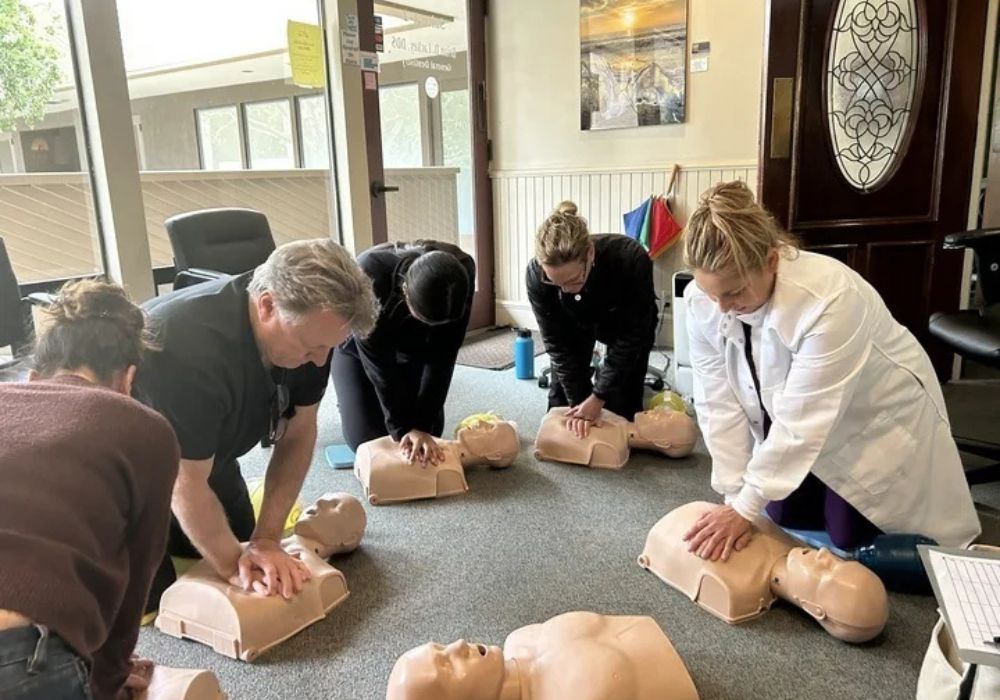
Our PALS courses use realistic pediatric scenarios and advanced simulation manikins to help you build confidence in managing infant and child emergencies.
Receive an official American Heart Association (AHA) PALS Provider certification accepted by hospitals, clinics, and healthcare employers across Washington and the United States.
We offer weekday, evening, and weekend PALS classes throughout Washington, making it easier for busy healthcare professionals to complete certification or renewal.
Complete your online coursework and skills evaluation efficiently and receive your AHA PALS eCard quickly after successful completion.
Learn from experienced instructors who guide you through pediatric emergency algorithms, ECG interpretation, and resuscitation skills with clear, practical instruction.
Our PALS training meets common hospital and healthcare facility requirements for pediatric emergency preparedness and professional credentialing.


Our PALS Certification program offers fast, flexible, and AHA-compliant training with blended online learning and hands-on skills sessions. Complete your training at your convenience and receive your official American Heart Association eCard immediately after completion.
We offer on-site American Heart Association PALS training across Washington for healthcare organizations that need efficient group certification at their own facility. Our instructors provide practical, scenario-based pediatric emergency training covering critical situations like respiratory distress, shock, and cardiac arrest in infants and children, helping teams strengthen response skills while maintaining workflow efficiency. This program supports certification requirements and improves pediatric emergency readiness. Flexible scheduling is available for teams of all sizes.
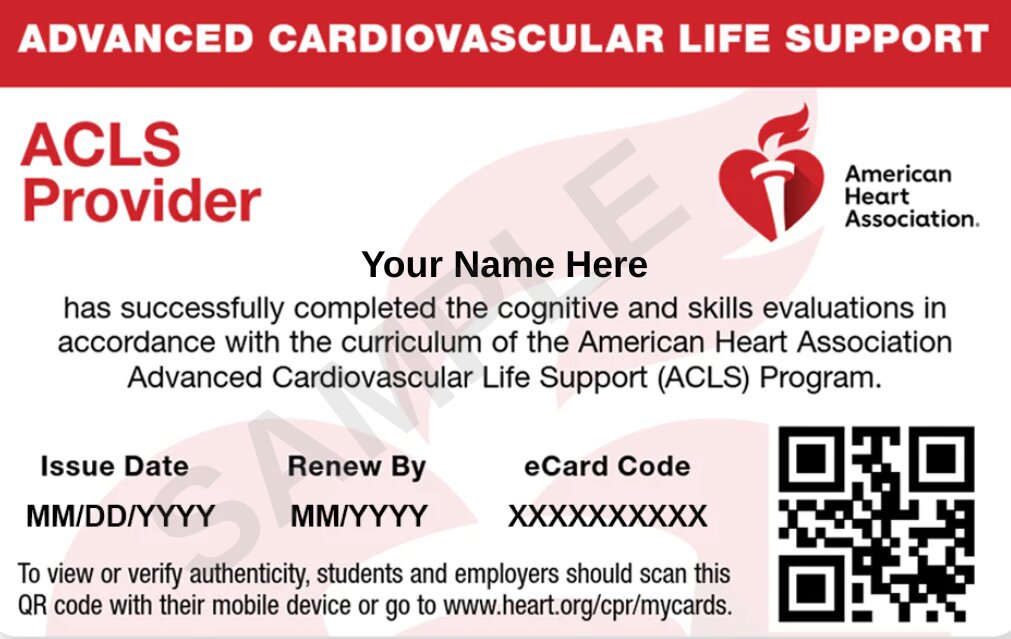
Advanced Cardiovascular Life Support
Advanced training for healthcare professionals to recognize and manage cardiopulmonary emergencies.
Flexible & self-paced;
Hands-on practice
Trusted Certification
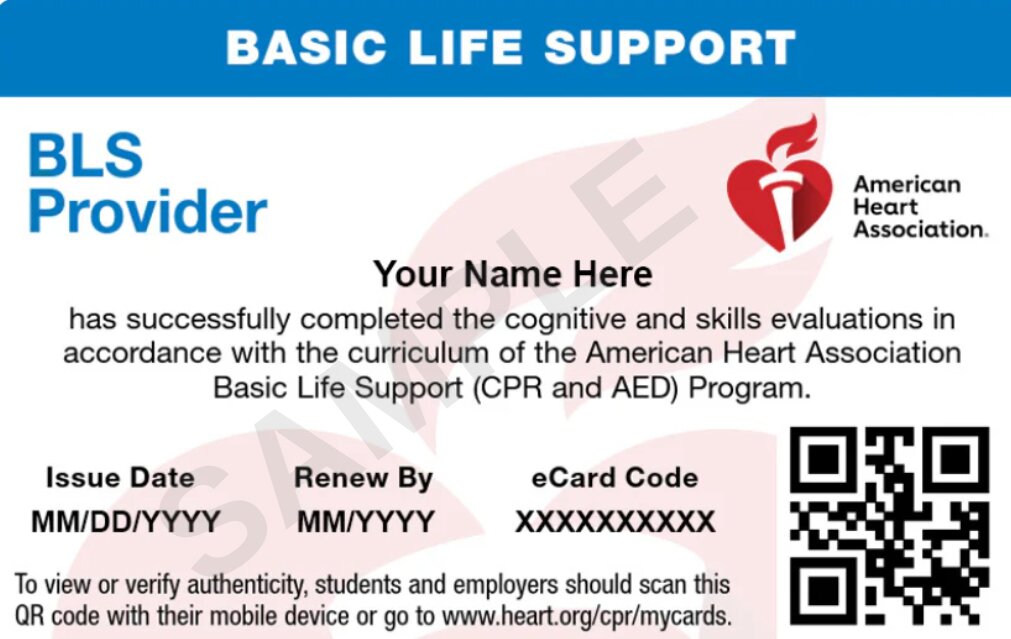
Basic Life Support
Specialized training to assess and stabilize pediatric patients in
emergency situations.
Flexible & self-paced;
Hands-on practice
Trusted Certification
Booking your PALS certification or renewal in Washington is quick, simple, and designed for busy healthcare professionals. Choose from flexible class times throughout the week to complete your American Heart Association PALS training on a schedule that fits your clinical duties, work shifts, or certification deadlines.
PALS is more advanced than BLS and requires understanding pediatric assessment, algorithms, and emergency response. With preparation and clinical experience, most participants complete it successfully.
No. The American Heart Association requires both online coursework and an in-person hands-on skills session to earn certification.
If your certification is expired, you may need to complete the full PALS course again rather than a renewal option, depending on provider requirements.
It is recommended to renew before expiration to avoid gaps in compliance, especially for hospital or clinical employment requirements.
Yes. PALS training is valuable in any setting where healthcare providers may encounter infants or children, including emergency departments, transport teams, and surgical units.
Yes, most training programs allow additional attempts or remediation sessions to help you successfully complete the skills evaluation.